Skip to content
Get in TouchGo

Neuroma surgery aims to relieve the burning, electric-shock pain that happens when a damaged nerve heals abnormally after injury, infection or amputation.


Modern reconstructive techniques can reduce sensitivity, improve function and help you return to daily activities with greater comfort.


Key facts about neuroma surgery

Benefits of neuroma surgery

Reduction in nerve pain caret-down

Treatment can significantly reduce burning, electric-shock sensations and hypersensitivity in the affected area.

Improved tolerance for touch and pressure caret-down

Techniques such as RPNI or TMR help calm the nerve, by giving it something to do, making everyday contact more comfortable.


Better function and movement caret-down

As pain reduces, many people find it easier to use their hand, limb or prosthesis.


Modern reconstructive options available caret-down

Advanced techniques like Regenerative Peripheral Nerve Interfaces (RPNI) and Targeted Muscle Reinnervation (TMR) offer more predictable relief.


Support for prosthetic use after amputation caret-down

RPNI and TMR can reduce residual limb pain and phantom sensations, improving prosthetic comfort and control.


Who neuroma surgery may help

Neuroma surgery may help:

  • People with burning, shooting or electric-shock pain after an injury or surgery
  • Individuals with a known neuroma in the hand, forearm, foot or residual limb
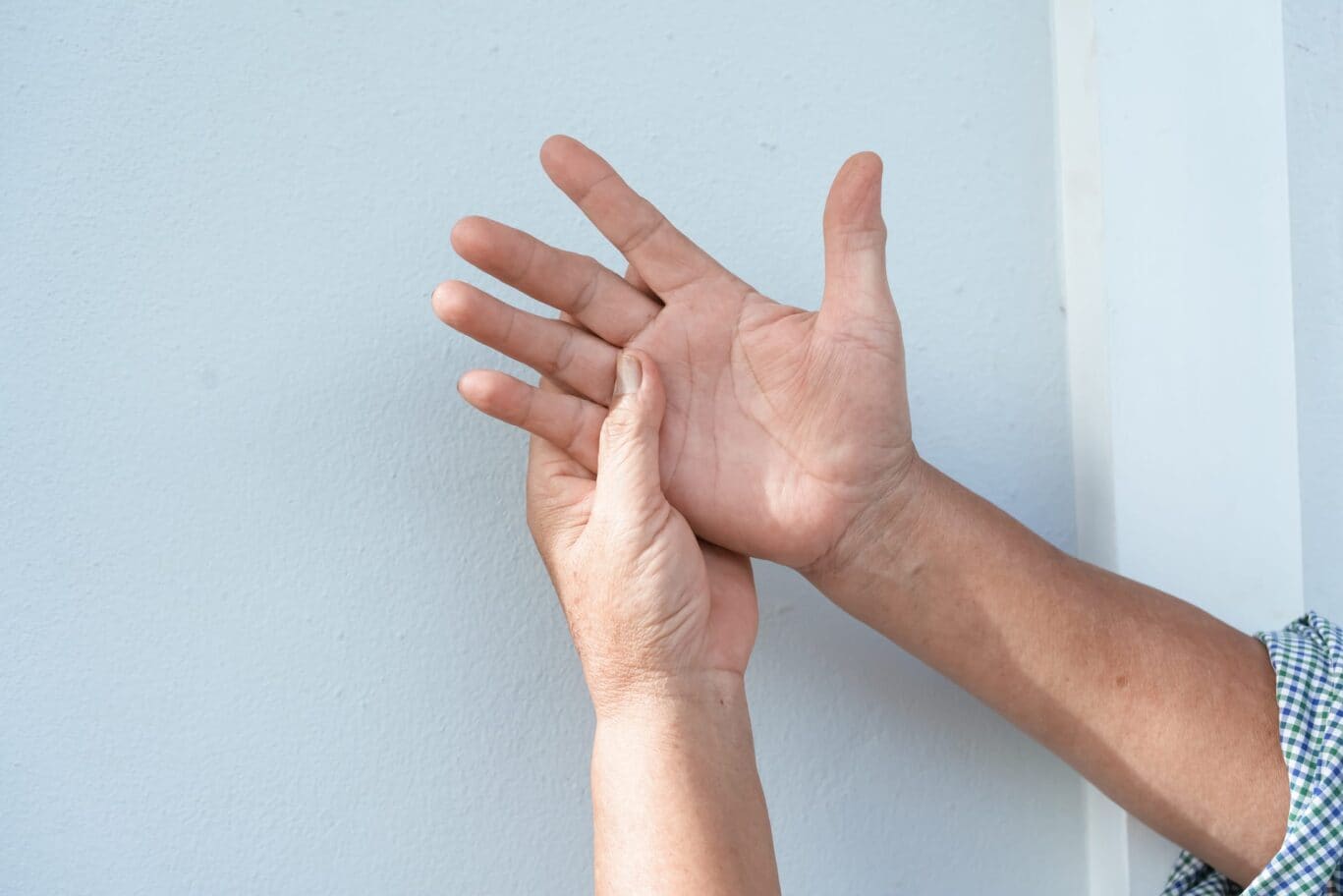
  • Patients with sensitivity or pain when the damaged nerve area is touched or tapped
  • Amputees struggling with residual limb pain or prosthetic intolerance
  • Patients whose symptoms have not improved with therapy or injections
  • Patients with ultrasound or MRI scan confirmed neuromas

Neuroma surgery might not be the right choice for:

  • Individuals with untreated infection at the site of pain
  • Patients with nerve pain originating from the spine or central nervous system
  • Those unable to commit to postoperative therapy or desensitisation work
  • Patients unable to stop smoking 6 weeks before and after surgery
  • People whose symptoms are mainly due to other conditions (e.g., complex regional pain syndrome)
  • Individuals expecting guaranteed complete pain elimination (improvement is likely, but outcomes vary)


Your Journey

We support you through surgery and beyond

1

Your consultation caret-down


Your consultation focuses on understanding the history of your pain – when it began, what worsens it, and how it affects your daily life. Your surgeon will examine the area carefully, assess for nerve sensitivity, and review any scans or nerve conduction studies. You’ll be given clear guidance on whether non-surgical treatment, minimally invasive options or reconstructive surgery is the most appropriate plan. Where pain is complex, we’ll discuss a multidisciplinary approach.


2

Pre-surgery preparation caret-down


To help you prepare safely:

  • Maintain a stable weight and good general health
  • Stop smoking and nicotine products for at least 6 weeks before and after surgery
  • Stop aspirin, clopidogrel and NSAIDs (ibuprofen, naproxen, diclofenac) 7 days before (unless advised otherwise)
  • Stop Factor Xa inhibitors  (eg Riveroxiban, Apixaban, Edoxiban etc.), 48 hours before (unless advised otherwise)
  • Keep the skin on the hand clean and free from cuts or infection on the day
  • Plan for help with driving, heavy tasks, or childcare in the first few days

You’ll receive written guidance so you know exactly what to expect.


3

Day of surgery caret-down


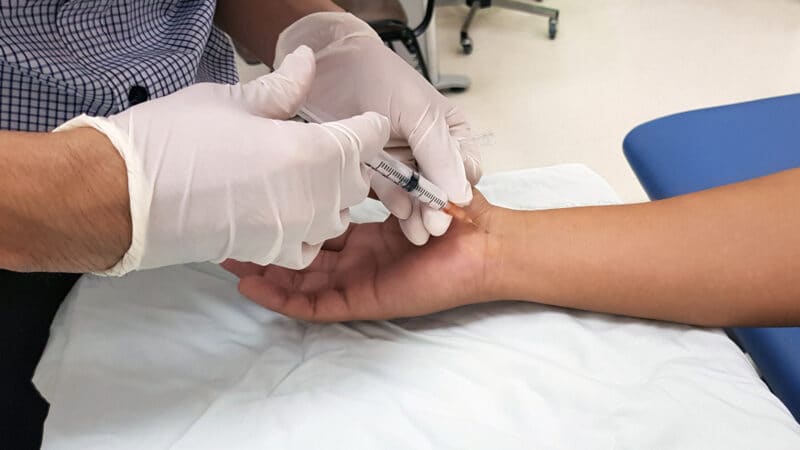
Most neuroma procedures are performed using local or regional anaesthetic, keeping you comfortable throughout. A small incision is made to expose the nerve. The surgical approach depends on the type of neuroma:

  • End neuromas (often after amputation): removal of the painful segment, followed by reconstruction with muscle burial, RPNI or TMR.
  • Neuromas in continuity: careful removal of scar tissue (neurolysis), with or without nerve grafting or RPNI to improve conduction.

Dressings are applied and you can usually go home the same day.


4

Aftercare & Recovery caret-down


Early movement and gentle scar massage help reduce stiffness and sensitivity. You’ll be guided through a desensitisation programme with a specialist therapist, which is an important part of recovery. Pain relief typically improves over the first few weeks, with strength and function progressing over several months. Amputees can gradually return to prosthetic wear as comfort improves.


Led by experience

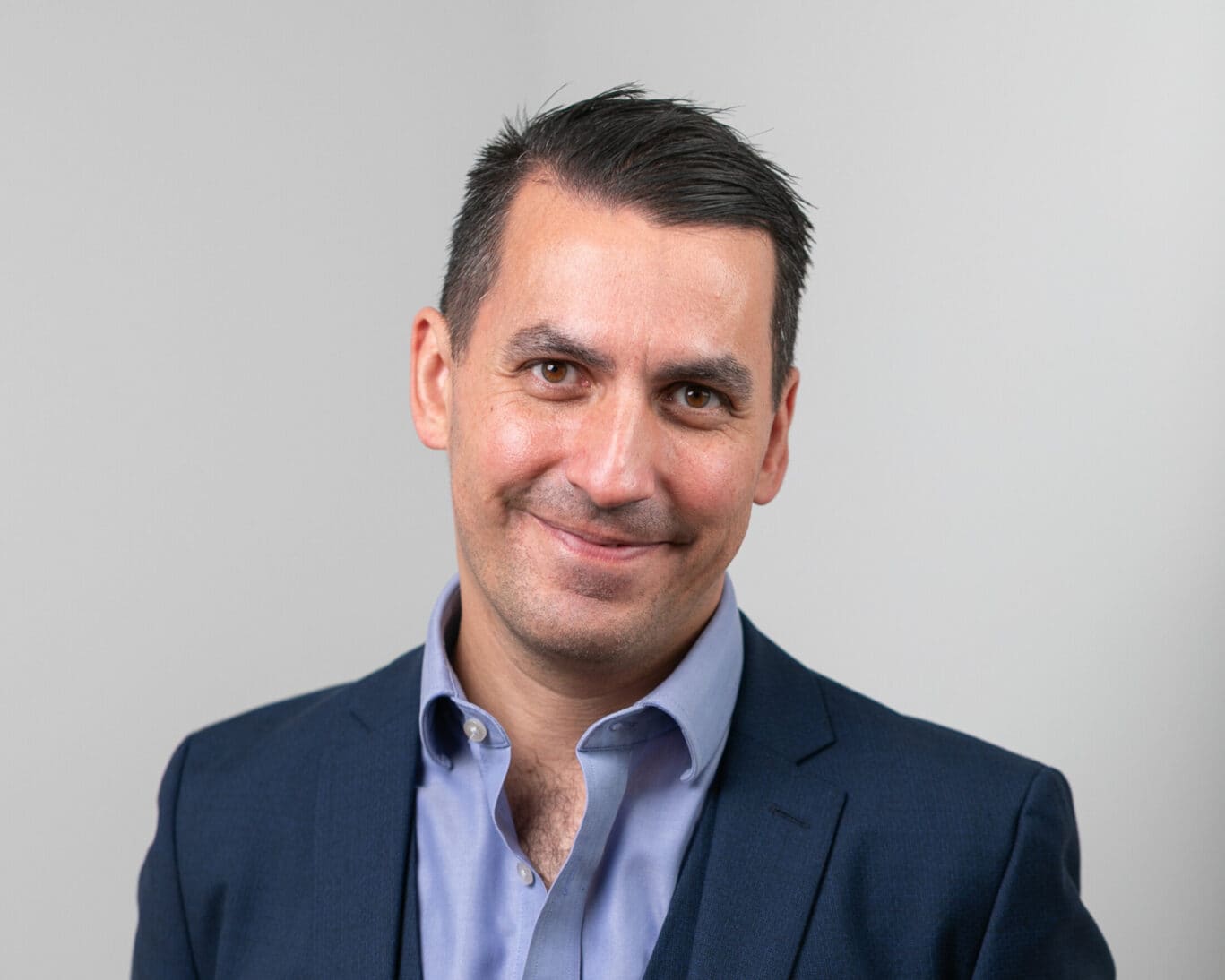
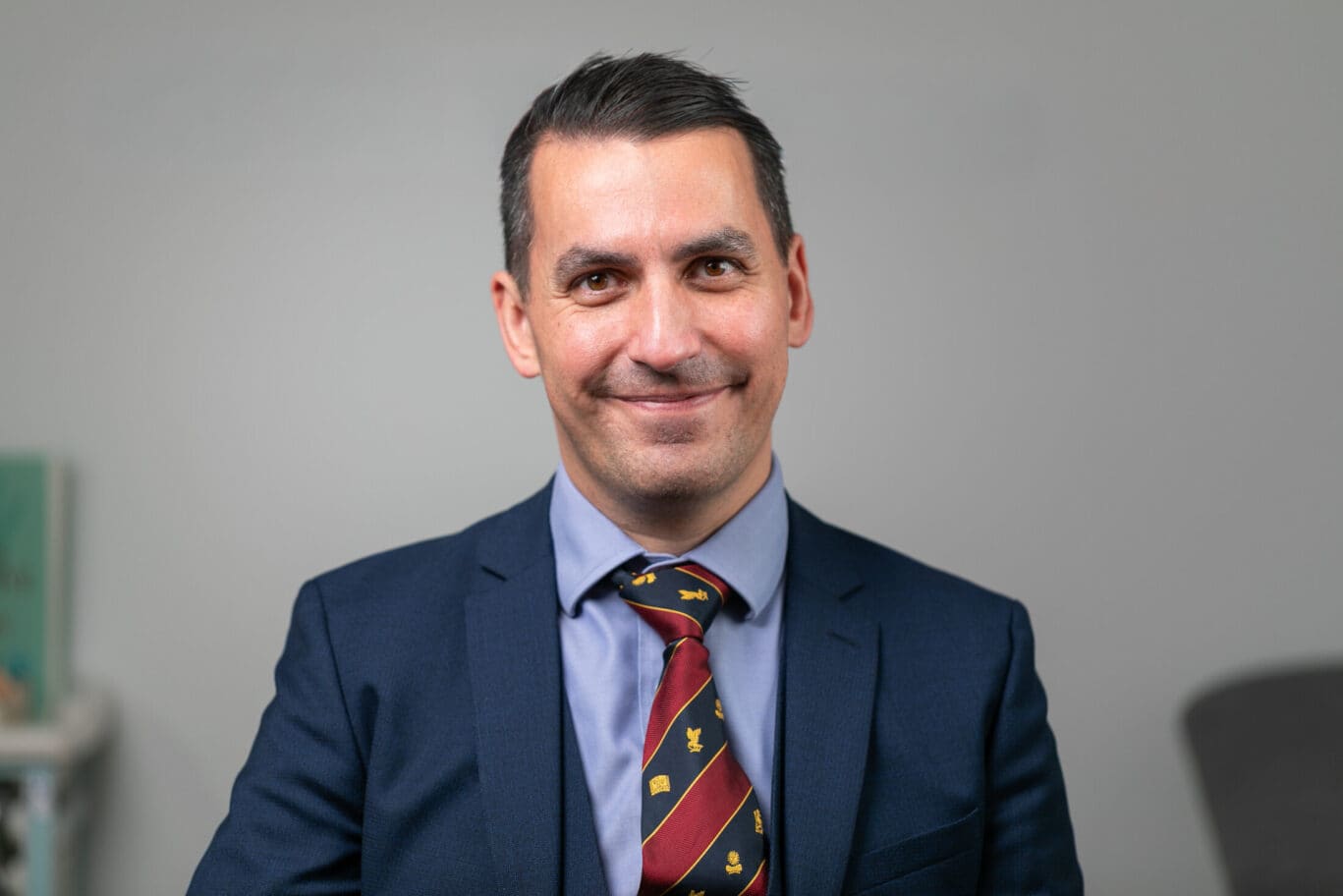
At The Antler Clinic, your care is led by Mr David Izadi, a highly experienced Consultant Plastic, Reconstructive and Hand Surgeon and recognised national expert in peripheral nerve surgery. With more than 20 years of specialist experience, he combines advanced surgical expertise with the calm, honest, and patient-centred approach that patients value most.

Mr Izadi treats a wide range of peripheral nerve conditions in both NHS and private practice, including nerve compression syndromes, nerve injuries, painful neuromas, and complex upper limb nerve disorders. He is recognised for his expertise in minimally invasive nerve surgery and has pioneered his own minimal access surgical technique, designed to avoid traditional scars across the wrist, reduce post-operative pain, and promote a faster return to function and recovery.

To develop his specialist expertise, Mr Izadi completed prestigious hand surgery fellowships at two of the world’s leading hand surgery centres: The Pulvertaft Hand Centre, Derby, and Institut de la Main, Paris. He remains actively involved in specialist multidisciplinary care as a core member of the Warwickshire Hand Surgery MDT, ensuring patients benefit from the latest evidence-based treatments and collaborative decision-making.

Whether treating common nerve compression syndromes or complex peripheral nerve conditions, every treatment plan is tailored to the individual. Mr Izadi takes time to understand what matters most to each patient, delivering personalised care with a focus on restoring function, relieving pain, and achieving the best possible outcomes.

Frequently Asked Questions

Lorem ipsum dolor sit amet, consectetur adipiscing elit. Morbi enim aliquet dolor amet.

What causes a neuroma? caret-down

A neuroma forms when a nerve is cut, stretched or injured and tries to heal without a clear target, creating a painful bundle of nerve fibres. Injured nerves can also get trapped in excess scar tissues, causing altered function and pain

What does a neuroma feel like? caret-down

Neuromas often cause sharp, shooting, burning or electric-shock pain, and the area may be extremely tender to touch.


Can a neuroma go away on its own? caret-down

Some mild cases of neuroma improve with therapy or steroid injections, but many neuromas persist without treatment and may worsen over time.


Is neuroma surgery worth it? caret-down

Many people experience meaningful pain reduction and improved function after having neuroma surgery, especially when modern techniques like RPNI or TMR are used.


How painful is neuroma surgery? caret-down

Most neuroma procedures cause mild to moderate discomfort for a few days. Local or regional anaesthetic helps to make sure you have a comfortable operation.


What is the recovery time after neuroma surgery? caret-down

Initial recovery from neuroma surgery takes 2 – 6 weeks. You should feel an early improvement in your pain levels, with further gains as the nerve settles and therapy continues.


What happens if a neuroma is left untreated? caret-down

If you leave a neuroma untreated, then your pain may persist or worsen, and sensitivity can limit function or prosthetic use. In some cases, ongoing irritation can affect surrounding tissues.

What is RPNI? caret-down

Regenerative Peripheral Nerve Interface (RPNI) involves implanting the nerve end into a small muscle graft, giving regenerating fibres a biological target and reducing pain.


What is TMR? caret-down

Targeted Muscle Reinnervation (TMR) connects a nerve end to a nearby motor nerve branch, reducing neuroma formation and sometimes improving prosthetic control.


Can neuromas come back after surgery? caret-down

It’s possible for neuromas to come back after surgery, especially with traditional excision alone. RPNI and TMR significantly reduce this risk.


When is neuroma surgery necessary? caret-down

Neuroma surgery is considered when your pain is persistent, limits your daily function, or does not improve with therapy or injections.

Is neuroma surgery safe? caret-down

Neuroma surgery is safe, though it’s worth knowing that treating nerve pain can be challenging, and outcomes vary depending on the complexity of the injury. Possible risks include recurrent or persistent pain, scar tenderness, infection, temporary sensory changes or weakness, and delayed wound healing. 

Mr Izadi will talk through everything with you carefully, and will recommend the approach most likely to give you meaningful and lasting relief.


Is neuroma surgery combined with anything else? caret-down

Hand therapy before and after surgery is essential. There is strong evidence that hand therapy can desensitise painful nerves.

There is good evidence that high-dose Vitamin C can reduce nerve pain.

Steroid injections under ultrasound guidance can help nerve pain before and after surgery

Nerve-modulating pain medications are often used in combination with a surgical approach.

clear and transparent costs

Pricing and Finance

You will receive a clear quotation setting out the cost of your treatment and what is included before you decide whether to proceed.

Consultation Fees caret-down

A new consultation is charged at £200.

Follow-up consultations are charged at £150, unless the appointment forms part of an agreed surgical package or postoperative follow-up pathway.

Consultation fees are payable regardless of whether surgery is subsequently arranged. A consultation provides assessment, advice and discussion of treatment options; it does not guarantee that surgery will be recommended or offered.

Non-Attendance and Late Cancellation caret-down

Patients are kindly asked to provide at least three working days’ notice if they need to cancel or rearrange an appointment.

Non-attendance, or cancellation with less than three working days’ notice, will incur a fee of £125. This fee reflects the clinical time reserved for the appointment and the difficulty of offering the appointment to another patient at short notice.

Self-Pay Surgery Packages caret-down

For self-pay patients, surgery is usually provided as a fixed-price package. This is intended to give patients clarity and reassurance about the cost of their planned procedure.

Your written quotation will confirm what is included. In most cases, the package price includes:

  • Hospital fees for the planned procedure

  • Surgeon’s fee

  • Anaesthetist’s fee, where applicable

  • Standard postoperative follow-up appointments relating to the procedure

  • Routine aftercare directly related to the planned surgery, as specified in your quotation

Package prices are based on the procedure agreed at the time of booking. If the surgical plan changes, if additional procedures are requested, or if further treatment is required outside the agreed package, additional fees may apply.

Complication Cover caret-down

Self-pay surgical packages usually include a period of cover for the treatment of complications directly related to the procedure. The exact terms, duration and exclusions of this cover are set by the hospital where your surgery is performed.

Depending on the hospital, complication cover may apply for a defined period, which may be 6 or 12 months. Full details will be provided by the relevant hospital before surgery.

Complication cover is not a guarantee that all future treatment, revision surgery or additional procedures will be provided without charge. Cover may not apply to unrelated medical problems, pre-existing conditions, treatment required outside the hospital’s terms, or surgery requested for aesthetic preference rather than a recognised complication.

In an emergency, patients should seek urgent medical attention through the most appropriate service, including NHS emergency care where necessary.

Revision Surgery and Further Procedures caret-down

Every effort is made to achieve the best possible outcome, but no surgical procedure can guarantee a specific result, perfect symmetry, invisible scarring or complete satisfaction. Healing, scarring, swelling and final results vary between individuals.

If revision surgery is required because of a complication, eligibility for cover will depend on the hospital’s package terms and the clinical circumstances.

If surgery has been performed to an appropriate clinical standard, but a patient remains dissatisfied with the aesthetic outcome or wishes to pursue further refinement, any revision or additional surgery will usually incur further charges. These may include hospital fees, surgeon’s fees and anaesthetic fees.

Additional Costs and Exclusions caret-down

Unless specifically included in your written quotation, additional costs may apply for investigations, scans, specialist opinions, extra procedures, further hospital admissions, prescriptions, dressings, garments, travel, accommodation, time off work or treatment unrelated to the planned surgery.

The written quotation and the hospital’s own terms and conditions will take precedence over any general information provided on this website.

Payment Terms caret-down

Payment terms, deposits, cancellation policies and refund arrangements are determined by the hospital where your procedure is booked. These will be provided to you before surgery.

Surgery can only proceed once all required payments have been received and all relevant consent, preoperative assessment and hospital requirements have been completed.

Finance caret-down

To help make treatment more affordable, you may choose to spread the cost of your procedure through a personal medical loan with Chrysalis Finance. Subject to eligibility and approval, Chrysalis offers a range of flexible finance options, allowing you to pay for your treatment in manageable monthly instalments rather than a single upfront payment.

The hospitals we work with offer finance options through Chrysalis Finance. Please contact your chosen hospital directly for further information or to discuss any questions.


Private Medical Insurance caret-down

Mr Izadi is registered with the private medical insurers shown below. Coverage for consultations and treatment is subject to the terms of your policy and insurers approval.

White Bupa text with a heartbeat waveform line next to it on a grey background, reflecting the expertise of a specialist in plastic surgery.
Cigna healthcare logo with stylised grey text and a leaf-like design above the i, representing a trusted specialist in fields such as plastic surgery.
WPA logo in white letters on a dark rectangle, with the words Health Insurance written below in grey, highlighting cover options for specialist treatments such as plastic surgery.
The image shows the word Vitality written in a bold, cursive, black font on a light background, evoking the refined touch of a specialist in plastic surgery.
The image shows the word Healix in black text on a white background. The H has a stylised curved line looping through its left vertical stroke, evoking the precision and artistry found in plastic surgery specialist branding.
Police Mutual logo with the word Police in bold black letters above Mutual in light grey, both in a clean, sans-serif font on a white background—a design as precise and professional as a specialist in their field.
Aviva logo in black and white, featuring a stylised rectangular shape divided into dark and light sections above the word AVIVA in bold capital letters—capturing the precision and expertise you’d expect from a specialist in fields like plastic surgery.
AXA Health logo featuring the AXA name in white on a dark square, alongside the word

Get in Touch

Your next step starts with a conversation.

A consultation at The Antler Clinic is simply a chance to talk – to ask questions, explore your options, and decide what feels right for you.

You’ll leave with clarity, reassurance, and the same calm support that defines everything we do.

Close