Skip to content
Get in TouchGo

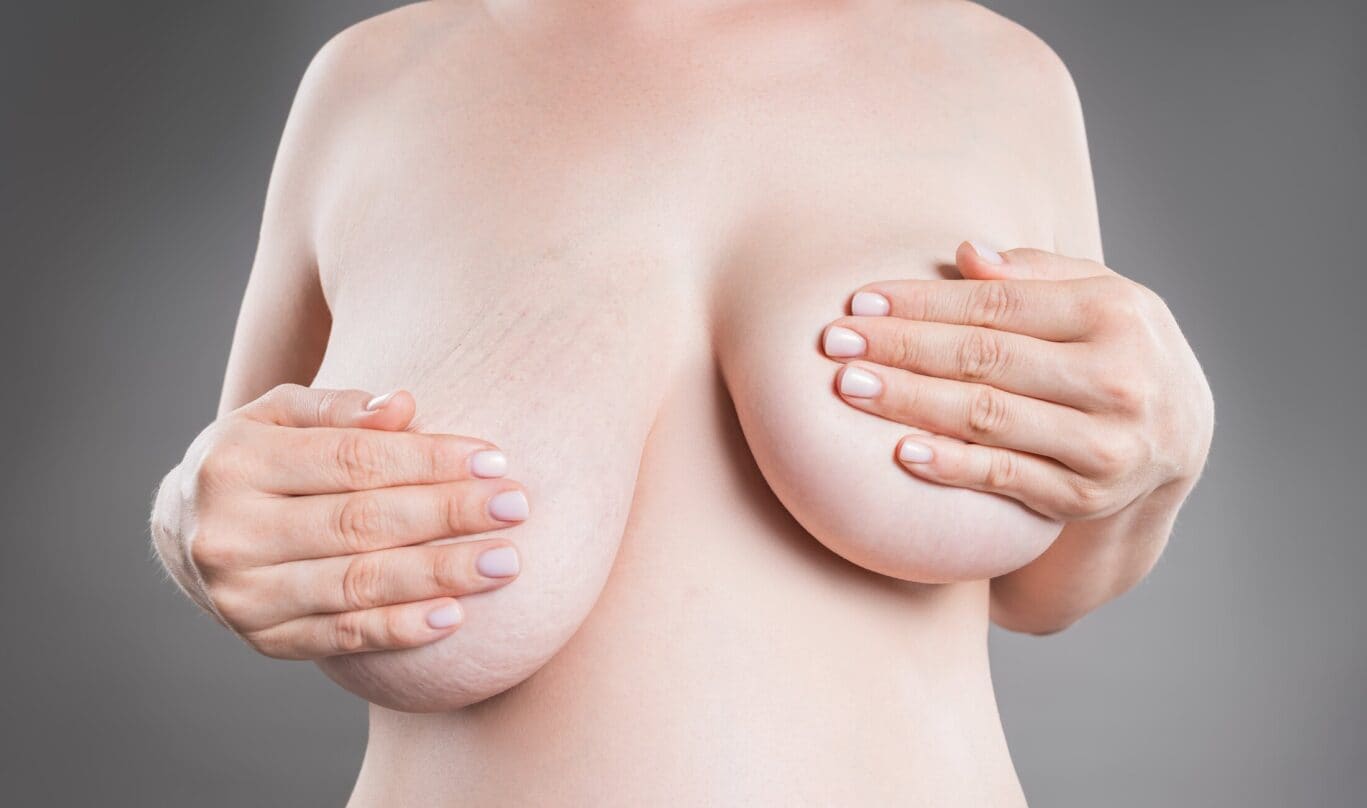
Breast reduction surgery reduces the size, weight and volume of your breasts by removing excess tissue, fat and skin. It reshapes your breasts into a lighter, more comfortable and proportionate shape, and can improve your posture and mobility.

You might think about having this procedure to relieve back, neck or shoulder pain, or to feel more comfortable and confident.

Key facts about Breast Reduction

Benefits of Breast Reduction


Eases physical discomfort caret-down

Reduces the weight of your breasts to improve back, neck and shoulder symptoms, and reduce skin irritation beneath your breast fold.

Supports posture and mobility caret-down

Helps relieve muscle strain and makes physical activity easier and more comfortable.

Creates a balanced breast shape caret-down

Improves your breast shape, nipple position, and symmetry for a natural, uplifted appearance.

Helps you feel more comfortable in clothing caret-down

Many patients find fitted clothing and swimwear easier to wear after their reduction surgery.

Improves psychological well-being caret-down

It can make you feel less self-conscious about your appearance and more confident. 

Who Breast Reduction may help

Breast reduction may help if you:

  • Experience back, neck or shoulder discomfort from breast weight
  • Have skin irritation or rashes beneath the breasts
  • Find exercise or daily activity difficult
  • Feel your breasts are out of proportion to your body frame
  • Would like lighter, more balanced and uplifted breast shape

Breast reduction surgery may not be the right choice if you:

  • Have a BMI above 30
  • Smoke or use nicotine, and cannot stop pre-operatively
  • Have poorly controlled medical conditions that affect healing
  • Are planning significant weight change or pregnancy
  • Prefer a scar-free procedure (all reductions create visible scars)

Your Journey

We support you through surgery and beyond

1

Consultation caret-down


Your consultation is unhurried and designed to help you feel informed and supported. Your surgeon will examine breast size, shape, skin quality and nipple position, and discuss your symptoms, goals and expectations.
You’ll discuss suitable techniques, the expected scar pattern and realistic outcomes. A detailed clinic letter is provided afterwards, outlining your personalised plan.

2

 Pre-surgery preparation caret-down


To help you prepare safely:

  • You may need blood tests, an ECG or a pre-operative assessment
  • Stop HRT and oral contraceptives 6 weeks before surgery and 3 weeks after surgery
  • Stop GLP-1 weight-loss medication 3 weeks before and after surgery
  • Continue GLP-1 medication if used for diabetes
  • Stop aspirin, clopidogrel and NSAIDs (e.g., diclofenac, ibuprofen, naproxen) 7 days before (unless we advise otherwise)
  • Stop Factor Xa inhibitors (eg Riveroxiban, Apixaban, Edoxaban, etc.) 48 hours before (unless advised otherwise)
  • Avoid smoking for at least 6 weeks before and after
  • Avoid alcohol, herbal supplements and anti-inflammatories for one week before surgery
  • Ensure you are well and free from colds or infections
  • Follow fasting instructions
  • Maintain a BMI below 30 and a stable weight

3

Day of surgery caret-down


Breast reduction is performed under general anaesthetic and usually takes 3 – 4 hours. Most patients stay overnight.

Mr Izadi usually uses the Wise pattern (anchor-shaped) technique with a superomedial pedicle or for large breast reductions, an inferior pedicle technique. This allows safe repositioning of the nipple, reliable blood supply and effective reshaping for moderate to large reductions. You will wake with dressings and a supportive bra in place. Drains may be used and are typically removed within 24 – 48 hours. Before discharge, you will receive clear wound care and recovery guidance.

4

Treatment and recovery caret-down


Expect swelling, bruising and mild discomfort in the first few days. A non-wired support bra should be worn continuously for 6 weeks.
Avoid lifting, stretching or strenuous activity for 4 – 6 weeks, and sleep on your back to avoid pressure on the breasts. Your scars will fade gradually over 12 – 18 months and should be protected from sunlight. Your breast shape will continue to soften over 3 – 6 months.

Follow-up appointments will make sure your healing is progressing as expected.

Led by experience

At The Antler Clinic, you’ll be cared for by Consultant Plastic Surgeon Mr David Izadi, whose work combines advanced surgical expertise with the calm, honest approach patients value most.

With over two decades of experience in reconstructive, aesthetic, and hand surgery – including international fellowships in rhinoplasty and hand surgery, and a dedicated cosmic surgery fellowship. He has also made numerous visitsvistis to experts in the field both in the UK and Europe.

Every plan begins with listening to what matters most to you.

Frequently asked questions about breast reduction surgery

A quick guide to the things most people want to know before and after their procedure.

How painful is breast reduction surgery? caret-down

Most people describe mild to moderate discomfort for a few days after their breast reduction surgery. Good support, over-the-counter pain relief and sticking to our recovery advice usually keep this manageable.

How long is recovery after breast reduction? caret-down

You can return to light activity 1 – 2 weeks after your breast reduction surgery, and resume normal exercise after 6 weeks. Your scars and breast shape will continue to settle for several months.

What is the downside of breast reduction? caret-down

All breast reductions leave permanent scars. You may also experience temporary or permanent changes in nipple sensation. In rare cases, delayed healing or fat necrosis can occur. All potential risks will be discussed carefully at your consultation.

Who shouldn’t have breast reduction surgery? caret-down

Breast reduction surgery may not be suitable for people with a BMI above 30, active smokers, uncontrolled medical conditions or those planning pregnancy or major weight change.

How big do your breasts need to be to get a reduction? caret-down

There is no minimum size of breast necessary for breast reduction surgery. Your suitability depends on symptoms, breast weight, tissue quality and your overall health.

Does breast reduction include a lift? caret-down

A breast reduction surgery involves reducing your breast volume and reshaping the remaining tissue, naturally lifting your nipple to a higher position.

Will my breasts sag again after reduction? caret-down

Your breasts will continue to age naturally, and future changes in weight, pregnancy or hormonal factors can affect their shape. Wearing a good, supportive bra and maintaining a stable weight helps preserve your results.

What scars are expected after breast reduction? caret-down

After a breast reduction, most people will have an anchor-shaped scar around the areola, vertically down the breast and along the crease. Those scars fade gradually over 12 – 18 months.

What is the best age to have breast reduction? caret-down

Breast reduction can be performed once your breast development is complete. Your suitability depends on the symptoms you’re managing, breast size, general health and how stable your weight is.

What are the alternatives to breast reduction? caret-down

Non-surgical alternatives to a breast reduction are limited. Well-fitted, supportive bras and physiotherapy may ease some of your symptoms, but they can’t reduce breast volume.

What are the alternatives to breast reduction? caret-down

Non-surgical alternatives to a breast reduction are limited. Well-fitted, supportive bras and physiotherapy may ease some of your symptoms, but they can’t reduce breast volume.

Can I breastfeed after breast reduction? caret-down

It’s often possible for you to breastfeed after breast reduction, but your milk supply may be reduced depending on surgical technique and preserved glandular connections.

What are the risks of breast reduction surgery? caret-down

Risks include bleeding, infection, poor wound healing, scarring, asymmetry, altered nipple sensation, nipple loss, delayed healing, breastfeeding difficulty, and anaesthetic complications. Careful surgical technique minimises these risks. Your surgeon will go through these risks in detail, at your consultation.

What is a free nipple graft, and when is it used? caret-down

What is a free nipple graft, and when is it used?

When you undergo a significant breast reduction, there is a risk of compromise to the blood supply of the nipple and areolar. In these cases, the nipple and areola are detached and reattached as free nipple grafts. This is a more reliable technique for survival of the blood supply to the nipples. The nipples remain insensate, and you will not be able to breastfeed afterwards.

clear and transparent costs

Pricing and Finance

You will receive a clear quotation setting out the cost of your treatment and what is included before you decide whether to proceed.

Consultation Fees caret-down

A new consultation is charged at £200.

Follow-up consultations are charged at £150, unless the appointment forms part of an agreed surgical package or postoperative follow-up pathway.

Consultation fees are payable regardless of whether surgery is subsequently arranged. A consultation provides assessment, advice and discussion of treatment options; it does not guarantee that surgery will be recommended or offered.

Non-Attendance and Late Cancellation caret-down

Patients are kindly asked to provide at least three working days’ notice if they need to cancel or rearrange an appointment.

Non-attendance, or cancellation with less than three working days’ notice, will incur a fee of £125. This fee reflects the clinical time reserved for the appointment and the difficulty of offering the appointment to another patient at short notice.

Self-Pay Surgery Packages caret-down

For self-pay patients, surgery is usually provided as a fixed-price package. This is intended to give patients clarity and reassurance about the cost of their planned procedure.

Your written quotation will confirm what is included. In most cases, the package price includes:

  • Hospital fees for the planned procedure

  • Surgeon’s fee

  • Anaesthetist’s fee, where applicable

  • Standard postoperative follow-up appointments relating to the procedure

  • Routine aftercare directly related to the planned surgery, as specified in your quotation

Package prices are based on the procedure agreed at the time of booking. If the surgical plan changes, if additional procedures are requested, or if further treatment is required outside the agreed package, additional fees may apply.

Complication Cover caret-down

Self-pay surgical packages usually include a period of cover for the treatment of complications directly related to the procedure. The exact terms, duration and exclusions of this cover are set by the hospital where your surgery is performed.

Depending on the hospital, complication cover may apply for a defined period, which may be 6 or 12 months. Full details will be provided by the relevant hospital before surgery.

Complication cover is not a guarantee that all future treatment, revision surgery or additional procedures will be provided without charge. Cover may not apply to unrelated medical problems, pre-existing conditions, treatment required outside the hospital’s terms, or surgery requested for aesthetic preference rather than a recognised complication.

In an emergency, patients should seek urgent medical attention through the most appropriate service, including NHS emergency care where necessary.

Revision Surgery and Further Procedures caret-down

Every effort is made to achieve the best possible outcome, but no surgical procedure can guarantee a specific result, perfect symmetry, invisible scarring or complete satisfaction. Healing, scarring, swelling and final results vary between individuals.

If revision surgery is required because of a complication, eligibility for cover will depend on the hospital’s package terms and the clinical circumstances.

If surgery has been performed to an appropriate clinical standard, but a patient remains dissatisfied with the aesthetic outcome or wishes to pursue further refinement, any revision or additional surgery will usually incur further charges. These may include hospital fees, surgeon’s fees and anaesthetic fees.

Additional Costs and Exclusions caret-down

Unless specifically included in your written quotation, additional costs may apply for investigations, scans, specialist opinions, extra procedures, further hospital admissions, prescriptions, dressings, garments, travel, accommodation, time off work or treatment unrelated to the planned surgery.

The written quotation and the hospital’s own terms and conditions will take precedence over any general information provided on this website.

Payment Terms caret-down

Payment terms, deposits, cancellation policies and refund arrangements are determined by the hospital where your procedure is booked. These will be provided to you before surgery.

Surgery can only proceed once all required payments have been received and all relevant consent, preoperative assessment and hospital requirements have been completed.

Finance caret-down

To help make treatment more affordable, you may choose to spread the cost of your procedure through a personal medical loan with Chrysalis Finance. Subject to eligibility and approval, Chrysalis offers a range of flexible finance options, allowing you to pay for your treatment in manageable monthly instalments rather than a single upfront payment.

The hospitals we work with offer finance options through Chrysalis Finance. Please contact your chosen hospital directly for further information or to discuss any questions.


Get in Touch

Your next step starts with a conversation.

A consultation at The Antler Clinic is simply a chance to talk – to ask questions, explore your options, and decide what feels right for you.

You’ll leave with clarity, reassurance, and the same calm support that defines everything we do.

Close