
Skip to content
Get in TouchGo

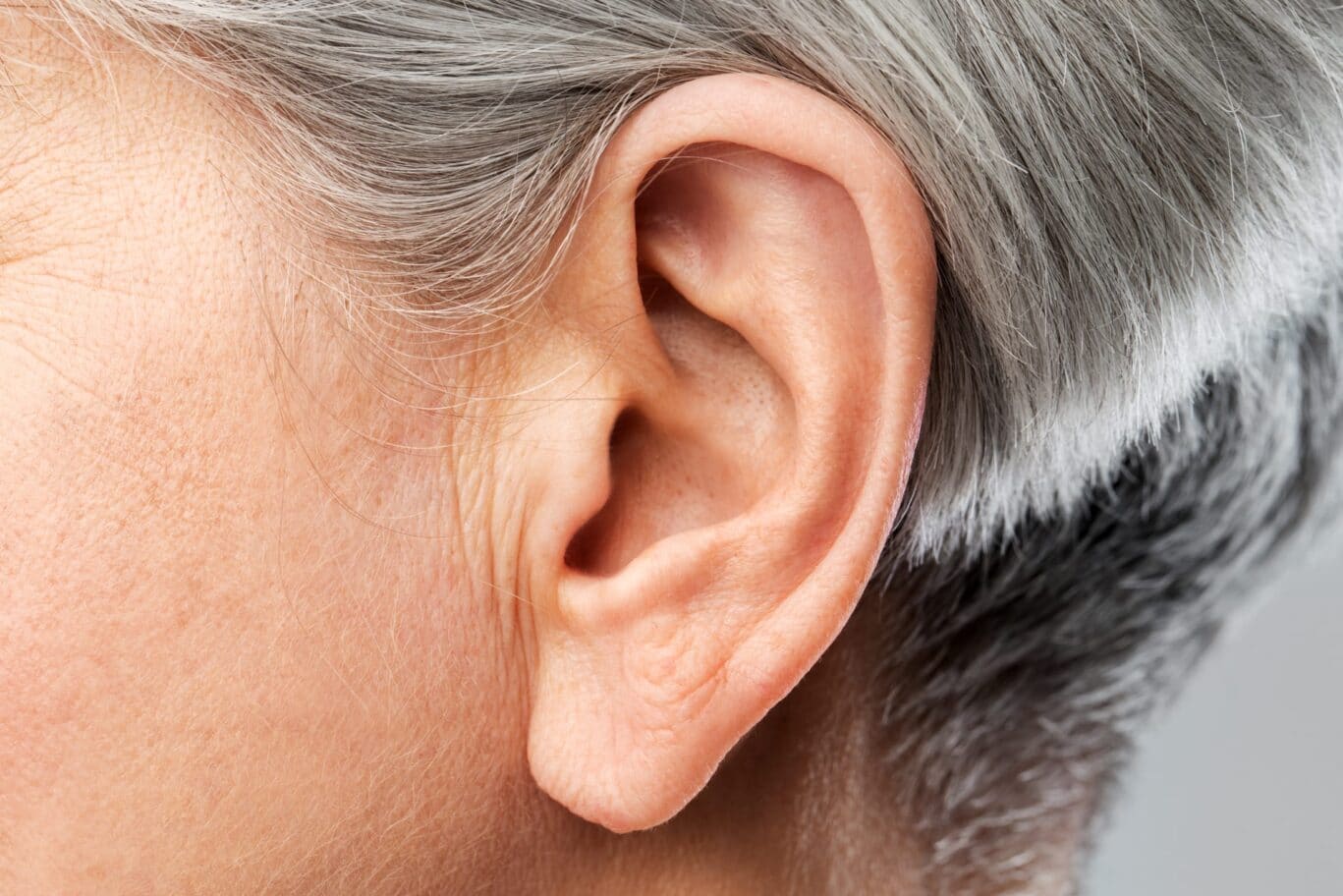
Earlobe surgery is a minor procedure that repairs split, stretched or torn earlobes or reduces the size of naturally large lobes. It restores the natural contour of your earlobe and allows you to wear earrings safely again once healing is complete.

Earlobes can change shape over time through piercing, trauma, stretching, ageing or the weight of jewellery. Your surgeon can correct tears, repair elongated piercing holes or refine the size of your lobe for a balanced, discreet result.


Key facts about earlobe surgery

Benefits of earlobe surgery

Restores your natural earlobe contour caret-down

Repairs splits, tears or stretched piercings to create a smooth, balanced shape.

Helps you wear earrings more confidently caret-down

Once healed, most people can re-pierce safely after 6 months.

Minimal scarring caret-down

Fine scars sit along natural folds and fade gradually over time.

Help you feel more comfortable caret-down

A repaired lobe feels more secure, especially when wearing lightweight earrings.

Minimal downtime caret-down

The procedure is short, comfortable and adapted to the thickness and shape of your own earlobes.

Who earlobe surgery may help

Earlobe surgery may help if you:

  • Have a split, stretched or elongated lobe
  • Have naturally large or drooping earlobes
  • Wish to correct an accidental tear or injury
  • Want to safely wear earrings again
  • Are in good general health and a non-smoker

Earlobe surgery may not be the right choice if you:

  • Have an active skin infection or inflammation around the ear
  • Can’t avoid nicotine before and after surgery
  • Expect perfectly identical earlobes (natural variation remains)
  • Plan to re-pierce sooner than 6 months
  • Wear heavy earrings regularly (risking recurrence)

Your Journey

We support you through surgery and beyond

1

You consultation caret-down


Your consultation will be private and unhurried. Your surgeon will examine the size, shape and thickness of your earlobes, discuss the type of damage or stretching involved, and recommend the most suitable technique.
You’ll receive a personalised clinic letter explaining your plan, aftercare and expected recovery.

2

Pre-surgery preparation caret-down


To help you prepare safely:

  • Stop smoking and nicotine products for 6 weeks before and after surgery
  • Stop aspirin, clopidogrel and NSAIDs (eg diclofenac, ibuprofen, naproxen)  7 days before (unless advised otherwise)
  • Stop Factor Xa inhibitors (eg Riveroxiban, Apixaban, Edoxiban etc.), 48 hours before (unless advised otherwise)
  • Remove all earrings and metal jewellery before attending
  • Keep the area clean and avoid creams or makeup on the day of surgery

3

Day of surgery caret-down


The procedure is carried out under local anaesthetic.
The earlobe is cleaned and anaesthetised, and the damaged or excess tissue is removed. Fine sutures are used to repair or reshape the lobe, and a small dressing or micropore tape is applied.
Most procedures take 30 – 60 minutes per earlobe, and you can return home straight afterwards.

4

Treatment and recovery caret-down


Keep the area clean and dry for the first few days.
Avoid touching, pulling or sleeping on the repaired lobe. Stitches are usually removed at 7 days or dissolve on their own. Most people return to normal activities within 24 hours. Re-piercing is usually safe after 6 months.

Led by experience

At The Antler Clinic, you’ll be cared for by Consultant Plastic Surgeon Mr David Izadi, whose work combines advanced surgical expertise with the calm, honest approach patients value most.

With over two decades of experience in reconstructive, aesthetic, and hand surgery – including a dedicated cosmetic surgery fellowship and international fellowships in rhinoplasty and hand surgery – every plan begins with listening to what matters most to you.

Frequently Asked Questions about earlobe surgery

A quick guide to the things most people want to know before and after their procedure.


Is earlobe surgery painful? caret-down

Most people describe the procedure as painless under local anaesthetic. You might experience mild discomfort, tightness or redness for a few days, but this should improve quickly. Over-the-counter pain relief medication is recommended post surgery.


How long does recovery take after earlobe surgery? caret-down

Most people return to normal activities within 24 hours of their earlobe surgery. Full scar healing takes several months, and re-piercing is usually safe after 6 months.


Will earlobe surgery leave a scar? caret-down

After earlobe surgery you should expect a fine scar, but this will usually fade well and sit along natural lines, making it discreet.

Can earlobes be repaired without surgery? caret-down

Fully split or stretched earlobes won’t heal on their own. Surgical repair is the most reliable and effective option.

When can I wear earrings again after earlobe repair? caret-down

Most people wait at least 6 months after their earlobe surgery before re-piercing. Wearing heavy or dangling earrings should be avoided long-term to prevent recurrence.


How long do stitches stay in after earlobe repair? caret-down

Stitches are usually removed after 7 days after your earlobe surgery. Depending on the type of suture used, they may dissolve naturally. We’ll cover all this in your consultation.


Is earlobe surgery safe? caret-down

Earlobe surgery is considered very safe when performed by a trained surgeon. All procedures carry risks, which will be explained fully at your consultation. Your surgeon will send a comprehensive list of complications to you after your consultation


What are the side effects of earlobe surgery? caret-down

Minor swelling, pain, redness and temporary numbness are common after earlobe surgery. Less common risks include delayed healing, infection or thickened scarring.


What can I do to support healing? caret-down

To help with your healing after earlobe surgery, keep the area clean and dry, avoid pressure or pulling, and follow all of our dressing instructions.


clear and transparent costs

Pricing and Finance

You will receive a clear quotation setting out the cost of your treatment and what is included before you decide whether to proceed.

Consultation Fees caret-down

A new consultation is charged at £200.

Follow-up consultations are charged at £150, unless the appointment forms part of an agreed surgical package or postoperative follow-up pathway.

Consultation fees are payable regardless of whether surgery is subsequently arranged. A consultation provides assessment, advice and discussion of treatment options; it does not guarantee that surgery will be recommended or offered.

Non-Attendance and Late Cancellation caret-down

Patients are kindly asked to provide at least three working days’ notice if they need to cancel or rearrange an appointment.

Non-attendance, or cancellation with less than three working days’ notice, will incur a fee of £125. This fee reflects the clinical time reserved for the appointment and the difficulty of offering the appointment to another patient at short notice.

Self-Pay Surgery Packages caret-down

For self-pay patients, surgery is usually provided as a fixed-price package. This is intended to give patients clarity and reassurance about the cost of their planned procedure.

Your written quotation will confirm what is included. In most cases, the package price includes:

  • Hospital fees for the planned procedure

  • Surgeon’s fee

  • Anaesthetist’s fee, where applicable

  • Standard postoperative follow-up appointments relating to the procedure

  • Routine aftercare directly related to the planned surgery, as specified in your quotation

Package prices are based on the procedure agreed at the time of booking. If the surgical plan changes, if additional procedures are requested, or if further treatment is required outside the agreed package, additional fees may apply.

Complication Cover caret-down

Self-pay surgical packages usually include a period of cover for the treatment of complications directly related to the procedure. The exact terms, duration and exclusions of this cover are set by the hospital where your surgery is performed.

Depending on the hospital, complication cover may apply for a defined period, which may be 6 or 12 months. Full details will be provided by the relevant hospital before surgery.

Complication cover is not a guarantee that all future treatment, revision surgery or additional procedures will be provided without charge. Cover may not apply to unrelated medical problems, pre-existing conditions, treatment required outside the hospital’s terms, or surgery requested for aesthetic preference rather than a recognised complication.

In an emergency, patients should seek urgent medical attention through the most appropriate service, including NHS emergency care where necessary.

Revision Surgery and Further Procedures caret-down

Every effort is made to achieve the best possible outcome, but no surgical procedure can guarantee a specific result, perfect symmetry, invisible scarring or complete satisfaction. Healing, scarring, swelling and final results vary between individuals.

If revision surgery is required because of a complication, eligibility for cover will depend on the hospital’s package terms and the clinical circumstances.

If surgery has been performed to an appropriate clinical standard, but a patient remains dissatisfied with the aesthetic outcome or wishes to pursue further refinement, any revision or additional surgery will usually incur further charges. These may include hospital fees, surgeon’s fees and anaesthetic fees.

Additional Costs and Exclusions caret-down

Unless specifically included in your written quotation, additional costs may apply for investigations, scans, specialist opinions, extra procedures, further hospital admissions, prescriptions, dressings, garments, travel, accommodation, time off work or treatment unrelated to the planned surgery.

The written quotation and the hospital’s own terms and conditions will take precedence over any general information provided on this website.

Payment Terms caret-down

Payment terms, deposits, cancellation policies and refund arrangements are determined by the hospital where your procedure is booked. These will be provided to you before surgery.

Surgery can only proceed once all required payments have been received and all relevant consent, preoperative assessment and hospital requirements have been completed.

Finance caret-down

To help make treatment more affordable, you may choose to spread the cost of your procedure through a personal medical loan with Chrysalis Finance. Subject to eligibility and approval, Chrysalis offers a range of flexible finance options, allowing you to pay for your treatment in manageable monthly instalments rather than a single upfront payment.

The hospitals we work with offer finance options through Chrysalis Finance. Please contact your chosen hospital directly for further information or to discuss any questions.


Get in Touch

Your next step starts with a conversation.

A consultation at The Antler Clinic is simply a chance to talk – to ask questions, explore your options, and decide what feels right for you.

You’ll leave with clarity, reassurance, and the same calm support that defines everything we do.

Close