Skip to content
Get in TouchGo

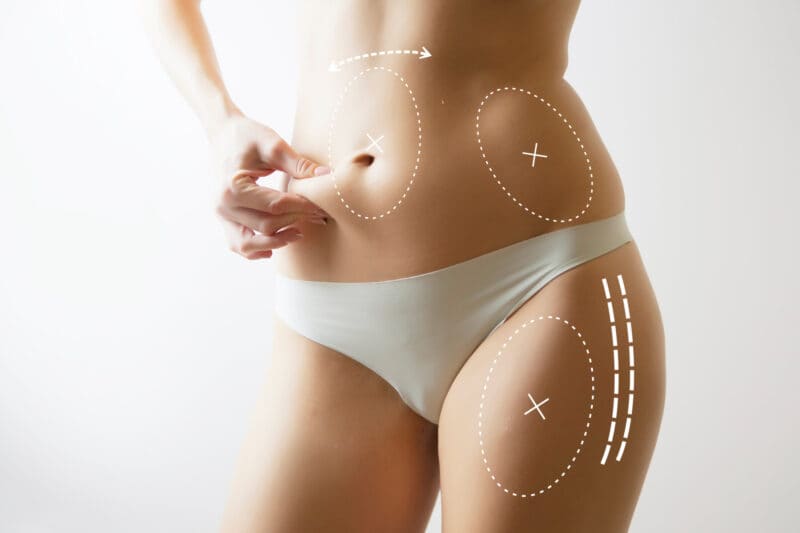
Abdominoplasty removes excess skin and fat from your abdomen, and repairs weakened or separated abdominal muscles, creating a smoother, firmer contour. You might choose this after pregnancy, significant weight loss, or ageing.

A tummy tuck is not a weight-loss operation – it’s a contouring procedure designed to improve comfort, confidence and abdominal wall support. It can also be combined with liposuction (lipoabdominoplasty) to refine definition.

Key Facts About Adominoplasty (Tummy Tuck)

Benefits of Abdominoplasty (Tummy Tuck)

A tummy tuck can improve comfort, skin quality and abdominal support for people whose shape has changed with time, pregnancy or weight loss. It’s designed to restore balance and make movement, clothing and daily life feel easier again.

Flatter, firmer abdominal contour caret-down

Removes excess skin and fat to give you a smoother profile.

Repair of abdominal muscle separation caret-down

Tightens stretched or separated muscles (rectus divarication) to improve core stability and posture.

Relief from skin folds and discomfort caret-down

Removes overhanging skin that may cause rashes, irritation or hygiene concerns.

Improved comfort during activity caret-down

Makes exercise and daily movement easier.

Enhanced clothing fit caret-down

Reduces bulging and excess skin so your clothing sits more comfortably.

Confidence in body shape caret-down

Supports emotional well-being by helping your shape match how you feel.

Improved lower back pain caret-down

By restoring the abdominal wall and strengthening your core, abdominoplasty can reduce the strain on your lower back. Particularly if rectus diastasis or excess tissue has been affecting your posture and movement.

Who abdominoplasty may help


Abdominoplasty may help if you:

  • have loose or overhanging abdominal skin
  • have weakened or separated abdominal muscles
  • experience discomfort, skin irritation or hygiene issues
  • struggle with clothing fit due to excess tissue
  • have reached a stable weight (BMI ideally under 30)
  • do not smoke or can stop for the required timeframe

Abdominoplasty may not be the right choice if you:

  • are planning future pregnancies
  • are unable to stop nicotine use
  • have certain medical conditions affecting wound healing
  • are looking for weight-loss rather than contouring
  • are not yet at a stable, healthy weight


Your Journey

We support you through surgery and beyond

1

The consultation process caret-down


Your first appointment is a calm, pressure-free space to talk about your goals and whether abdominoplasty is right for you.
We’ll review your medical history, examine the areas you’d like treated, and take confidential photographs (with your consent). After your appointment, you’ll receive a detailed clinic letter summarising everything discussed so you can review it in your own time.

2

Pre-surgery preparation caret-down


To help you prepare safely:

  • You may need blood tests or an ECG
  • We’ll take measurements for your compression garment
  • You’ll need to stop HRT and oral contraceptives 6 weeks before surgery
  • GLP-1 weight-loss medications should be stopped for 3 weeks before and 3 weeks after
  • GLP-1 medications used for diabetes can continue as usual
  • GLP-1/GIP users will need a liquid-only diet for 24 hours before surgery
  • Stop aspirin and clopidogrel 7 days before (unless we advise otherwise)
  • Stop Factor Xa inhibitors  (eg Riveroxiban, Apixaban, Edoxiban etc.) 48 hours before (unless we advise otherwise)
  • Avoid smoking for at least 6 weeks before and after surgery
  • Avoid alcohol and NSAIDs in the week before surgery
  • Discuss any herbal or traditional supplements with us at least 12 days before surgery

3

Day of surgery caret-down


You’ll meet your surgical and anaesthetic team to review your plan and confirm consent. Abdominoplasty is carried out under general anaesthetic. Excess skin and fat are removed, abdominal muscles are repaired, and the belly button is repositioned if needed. Dressings and drains are applied.

4

Treatment and recovery caret-down


Swelling, tightness and discomfort are normal for the first few days and are managed with pain relief. You’ll begin gentle walking within 24 hours. Most people return to desk-based work in 2–3 weeks. Full healing continues over several months.

Led by experience

At The Antler Clinic, you’ll be cared for by Consultant Plastic Surgeon Mr David Izadi, whose work combines advanced surgical expertise with the calm, honest approach patients value most.

With over two decades of experience in reconstructive, aesthetic, and hand surgery – including international fellowships in rhinoplasty and hand surgery and a dedicated cosmetic surgery fellowship.

Every plan begins with listening to what matters most to you.

Frequently Asked Questions about abdominoplasty

A quick guide to the things most people want to know before and after their procedure.


How painful is a tummy tuck? caret-down

A tummy tuck causes discomfort and tightness across the lower abdomen for the first few days. You can manage your pain with prescribed medication, and most people find it becomes steadily easier to move by the end of the first week.

Do I need a mini, full, and fleur-de-lis tummy tuck? caret-down

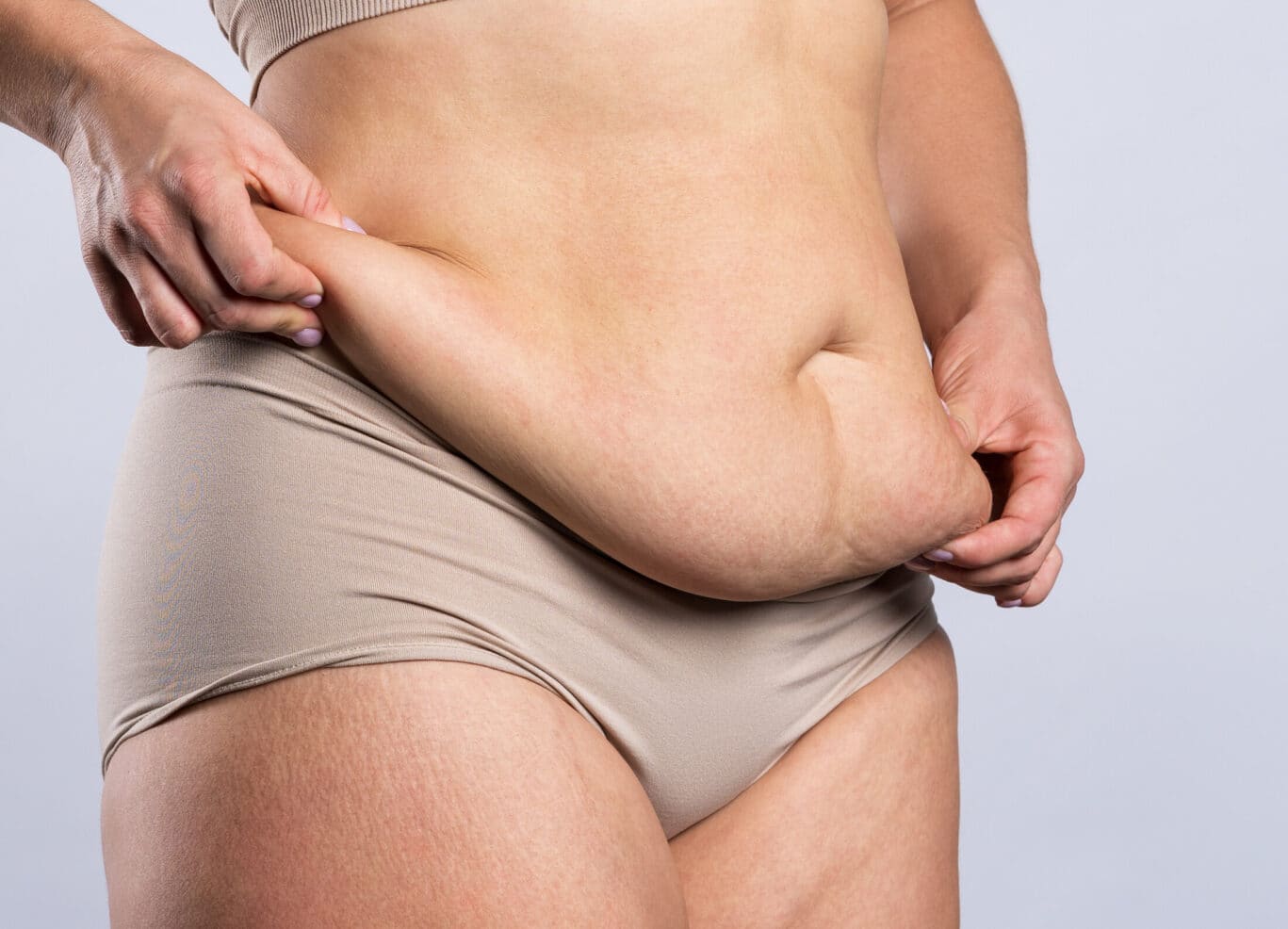
The right approach depends on how much skin laxity you have and where it’s concentrated.

A mini abdominoplasty is a more limited procedure, suited to patients with a small amount of loose skin confined to the lower abdomen, below the belly button. The incision is shorter, the belly button isn’t moved, and recovery tends to be a little quicker.

A full abdominoplasty is the most commonly performed technique. It addresses the lower and middle abdomen, tightens the underlying muscles, and repositions the belly button to sit naturally in its new position. It’s the most appropriate choice for the majority of patients, including those with muscle separation (rectus diastasis) following pregnancy or weight changes.

A fleur-de-lis abdominoplasty is used when there is significant excess skin in both directions (horizontally and vertically), which is most common after substantial weight loss. It involves an additional vertical incision along the midline, which allows for greater tightening and reshaping. The trade-off is a more visible scar pattern, and this will always be discussed carefully with you during your consultation.

Your surgeon will assess your abdomen thoroughly and recommend the technique most likely to achieve the best result for your individual anatomy and goals.

How long does a tummy tuck last? caret-down

Tummy tuck results are long-lasting, especially if your weight remains stable. The repaired muscles and removed skin do not return, but natural ageing still continues over time.

How much weight will a tummy tuck take off? caret-down

A tummy tuck does not remove large amounts of weight. It removes excess skin and some fat, but the main benefit is improved firmness, contour and muscle repair rather than weight reduction.

Is a tummy tuck major surgery? caret-down

A tummy tuck is considered major surgery because it involves skin removal and muscle repair under general anaesthetic. Your surgeon will guide you through preparation and recovery to keep your procedure as safe as possible.

What is the BMI cut-off for a tummy tuck? caret-down

A tummy tuck is safest when your BMI is 30 or below. This supports wound healing, reduces surgical risk and improves the quality of your final result.

How long is the hospital stay after a tummy tuck? caret-down

Most people stay one night in hospital, although some return home the same day depending on the procedure and their recovery. You’ll be advised on what’s safest for you.

How long does a tummy tuck take? caret-down

A tummy tuck usually takes between two and four hours, depending on the technique and whether liposuction or muscle repair is included.

How long is recovery after a tummy tuck? caret-down

Recovery varies, but most people return to desk-based work within 2–3 weeks. Full activity and exercise usually resume after 6–8 weeks, with final contour settling over several months.

Will a tummy tuck remove skin from my stomach? caret-down

In a full and mini tummy tuck, loose skin from the lower and central abdomen is removed. The remaining skin is tightened to create a smoother contour, and the belly button will be repositioned. Following major weight loss, both vertical midline skin and lower, plus central skin is removed.

Does a tummy tuck fix a sagging tummy without surgery? caret-down

A tummy tuck is the only reliable way to remove excess abdominal skin and repair separated muscles. Non-surgical treatments cannot tighten large amounts of skin or correct rectus divarication.

Does abdominoplasty leave a scar? caret-down

Abdominoplasty leaves a low, horizontal scar that sits below underwear or swimwear. Scars soften and fade over time, and you’ll receive guidance on caring for them as they heal.

What are the risks of a tummy tuck? caret-down

Risks include infection, haematoma, swelling, bruising, delayed wound healing, seroma, infection and widened scars. Rare risks include blood clots and tissue loss. Your surgeon will explain in detail all the risks to you.

What happens 10 years after a tummy tuck? caret-down

Results remain stable over many years if your weight stays consistent. Ageing, pregnancy or significant weight changes can alter the contour, but many people enjoy long-lasting improvements in comfort and shape.

How many sizes do you lose with a tummy tuck? caret-down

A tummy tuck may change your clothing size if excess skin was affecting fit, but this varies from person to person. The goal is shape and comfort rather than a specific size.

What medical conditions would prevent a tummy tuck? caret-down

Conditions that affect wound healing, blood clotting, circulation or anaesthetic safety may delay or prevent surgery. Your surgeon will review your medical history carefully during consultation.

Can I get a tummy tuck on the NHS? caret-down

Most tummy tucks are considered cosmetic and are not offered on the NHS. Exceptions are rare, with a strict inclusion criteria, an individual funding request (IFR) approval by your GP, and usually relate to severe functional issues or post-massive weight loss.

How soon can I stand up straight after a tummy tuck? caret-down

You may walk slightly bent over for the first few days due to tightness. This improves as the tissues settle, and most people can stand upright within one to two weeks.

How safe is a tummy tuck? caret-down

A tummy tuck is safe when performed by a trained consultant plastic surgeon in a CQC-registered hospital. Your consultation will include a full discussion of risks and how we minimise them.

What is the best age for a tummy tuck? caret-down

There is no single “best age” for a tummy tuck. Suitability depends on health, skin quality and goals. Patients typically range from their 30s to 60s.

Will I get a mons lift at the same time as a tummy tuck? caret-down

Mons ptosis, fullness and descent are common, post-major weight loss. The mons pubis will be reduced and lifted, if indicated, as a standard part of an abdominoplasty procedure.

clear and transparent costs

Pricing and Finance

You will receive a clear quotation setting out the cost of your treatment and what is included before you decide whether to proceed.

Consultation Fees caret-down

A new consultation is charged at £200.

Follow-up consultations are charged at £150, unless the appointment forms part of an agreed surgical package or postoperative follow-up pathway.

Consultation fees are payable regardless of whether surgery is subsequently arranged. A consultation provides assessment, advice and discussion of treatment options; it does not guarantee that surgery will be recommended or offered.

Non-Attendance and Late Cancellation caret-down

Patients are kindly asked to provide at least three working days’ notice if they need to cancel or rearrange an appointment.

Non-attendance, or cancellation with less than three working days’ notice, will incur a fee of £125. This fee reflects the clinical time reserved for the appointment and the difficulty of offering the appointment to another patient at short notice.

Self-Pay Surgery Packages caret-down

For self-pay patients, surgery is usually provided as a fixed-price package. This is intended to give patients clarity and reassurance about the cost of their planned procedure.

Your written quotation will confirm what is included. In most cases, the package price includes:

  • Hospital fees for the planned procedure

  • Surgeon’s fee

  • Anaesthetist’s fee, where applicable

  • Standard postoperative follow-up appointments relating to the procedure

  • Routine aftercare directly related to the planned surgery, as specified in your quotation

Package prices are based on the procedure agreed at the time of booking. If the surgical plan changes, if additional procedures are requested, or if further treatment is required outside the agreed package, additional fees may apply.

Complication Cover caret-down

Self-pay surgical packages usually include a period of cover for the treatment of complications directly related to the procedure. The exact terms, duration and exclusions of this cover are set by the hospital where your surgery is performed.

Depending on the hospital, complication cover may apply for a defined period, which may be 6 or 12 months. Full details will be provided by the relevant hospital before surgery.

Complication cover is not a guarantee that all future treatment, revision surgery or additional procedures will be provided without charge. Cover may not apply to unrelated medical problems, pre-existing conditions, treatment required outside the hospital’s terms, or surgery requested for aesthetic preference rather than a recognised complication.

In an emergency, patients should seek urgent medical attention through the most appropriate service, including NHS emergency care where necessary.

Revision Surgery and Further Procedures caret-down

Every effort is made to achieve the best possible outcome, but no surgical procedure can guarantee a specific result, perfect symmetry, invisible scarring or complete satisfaction. Healing, scarring, swelling and final results vary between individuals.

If revision surgery is required because of a complication, eligibility for cover will depend on the hospital’s package terms and the clinical circumstances.

If surgery has been performed to an appropriate clinical standard, but a patient remains dissatisfied with the aesthetic outcome or wishes to pursue further refinement, any revision or additional surgery will usually incur further charges. These may include hospital fees, surgeon’s fees and anaesthetic fees.

Additional Costs and Exclusions caret-down

Unless specifically included in your written quotation, additional costs may apply for investigations, scans, specialist opinions, extra procedures, further hospital admissions, prescriptions, dressings, garments, travel, accommodation, time off work or treatment unrelated to the planned surgery.

The written quotation and the hospital’s own terms and conditions will take precedence over any general information provided on this website.

Payment Terms caret-down

Payment terms, deposits, cancellation policies and refund arrangements are determined by the hospital where your procedure is booked. These will be provided to you before surgery.

Surgery can only proceed once all required payments have been received and all relevant consent, preoperative assessment and hospital requirements have been completed.

Finance caret-down

To help make treatment more affordable, you may choose to spread the cost of your procedure through a personal medical loan with Chrysalis Finance. Subject to eligibility and approval, Chrysalis offers a range of flexible finance options, allowing you to pay for your treatment in manageable monthly instalments rather than a single upfront payment.

The hospitals we work with offer finance options through Chrysalis Finance. Please contact your chosen hospital directly for further information or to discuss any questions.


Get in Touch

Your next step starts with a conversation.

A consultation at The Antler Clinic is simply a chance to talk – to ask questions, explore your options, and decide what feels right for you.

You’ll leave with clarity, reassurance, and the same calm support that defines everything we do.

Close