Skip to content
Get in TouchGo

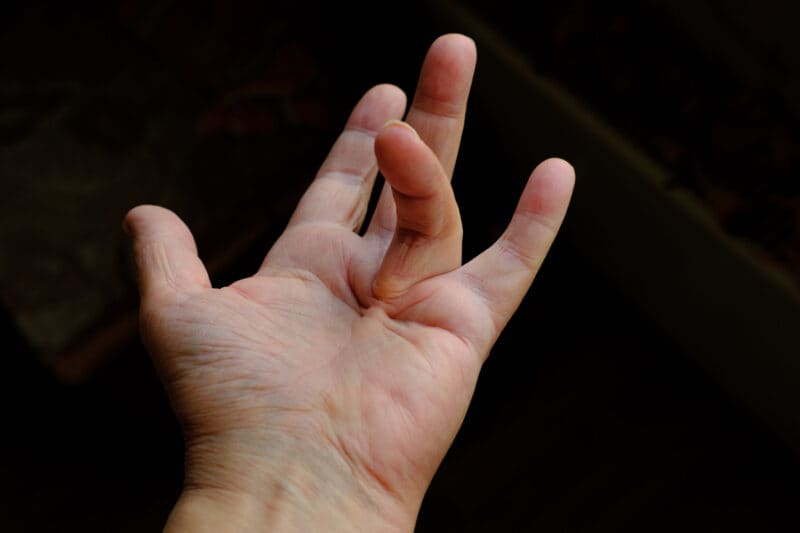
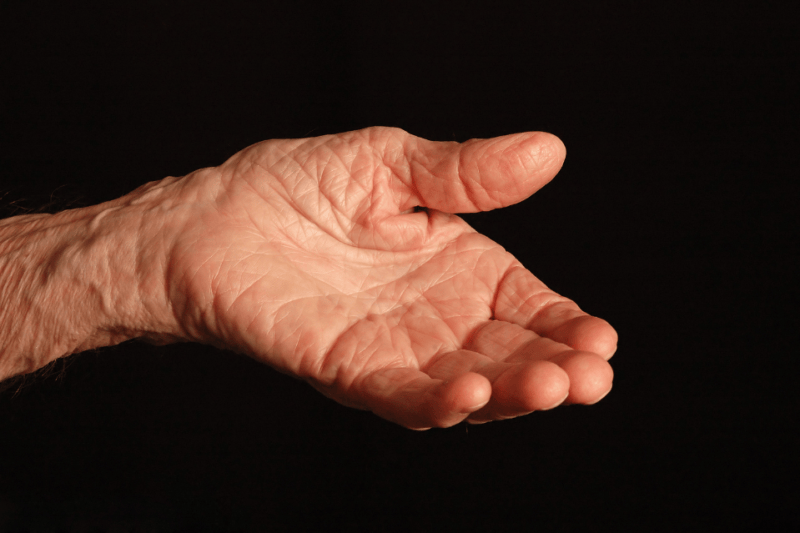
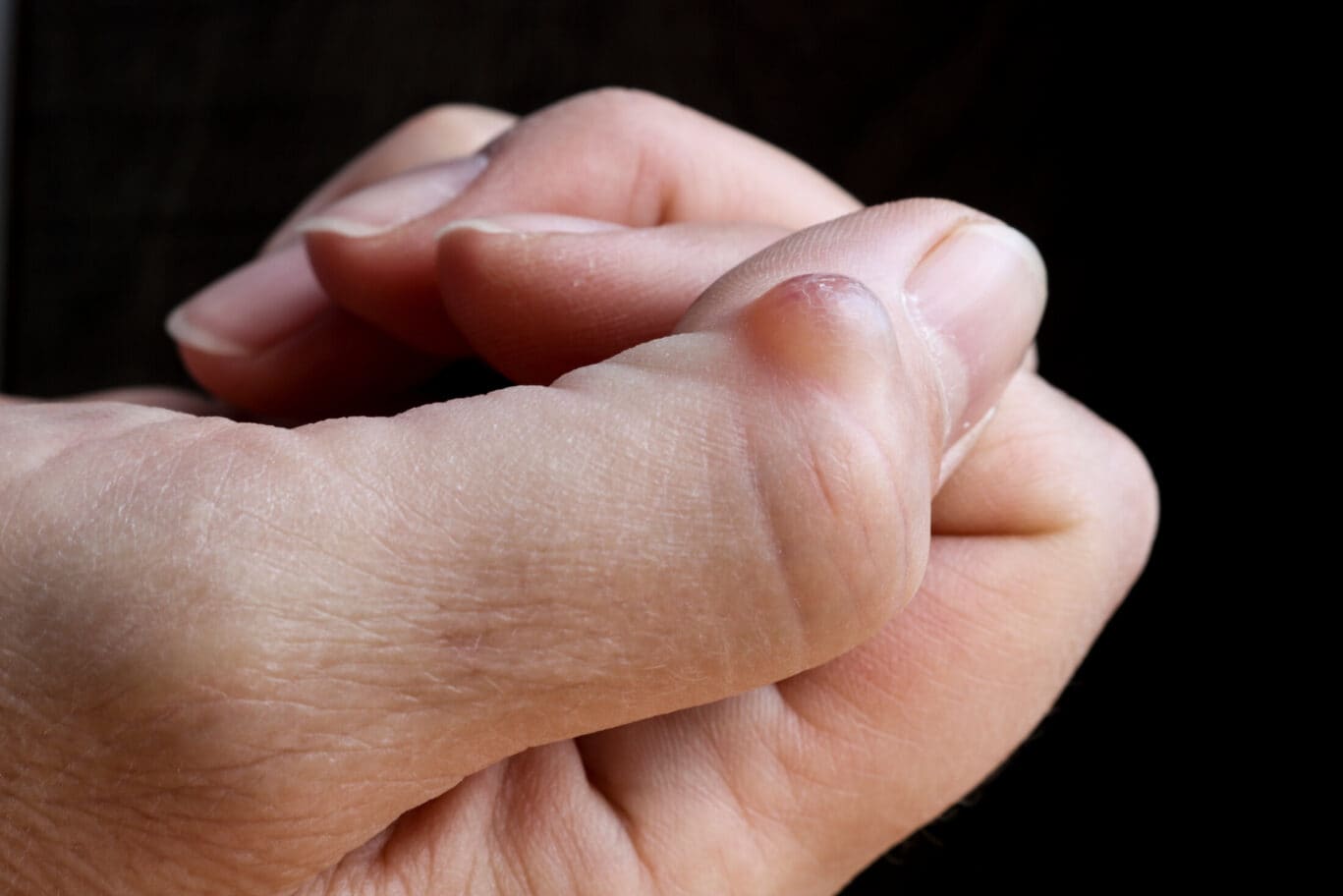
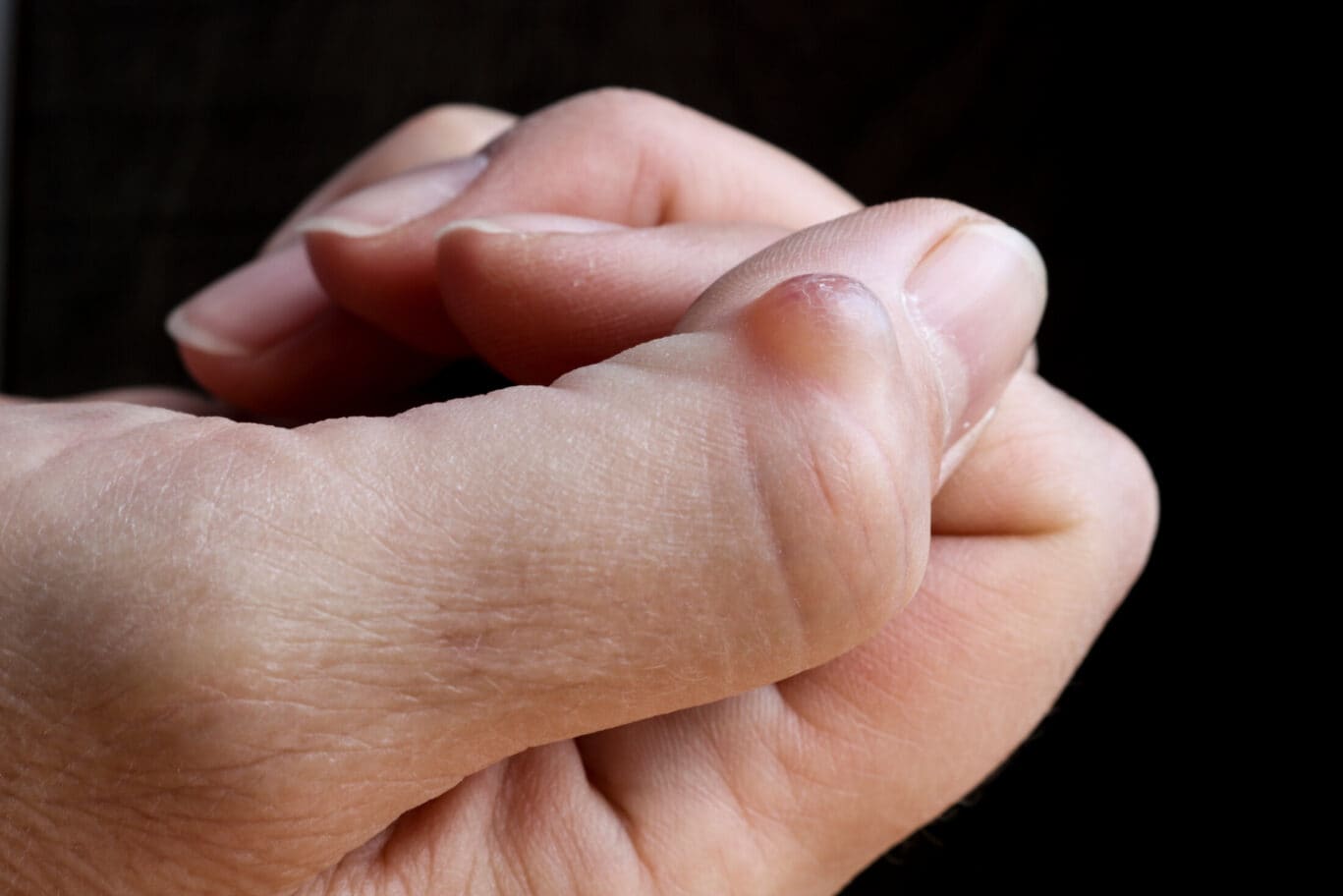
Lumps and bumps on the hand are common. They can arise from joints, tendons, ligaments, nerves or soft tissues. At first, they may be painless. But over time, they can interfere with your grip, catch on gloves, rub on use, cause discomfort, or make simple tasks more difficult.


Hand lump removal surgery focuses on restoring comfortable movement and function. By carefully removing soft-tissue growths, it aims to reduce pain, protect nearby structures, and help you use your hand more easily in daily life.


Common hand lumps treated include:

  • Myxoid (mucous) cysts near the fingernail
  • Flexor sheath ganglions along the tendons
  • Benign soft-tissue tumours such as giant cell tumours
  • Lipoma or fatty lumps


At your consultation, your surgeon will examine your hand, explain the likely diagnosis, and outline whether surgery, monitoring, or referral to a wrist specialist is the safest option.

Key facts about surgery for hand lump and bumps

Benefits of surgery for hand lumps and bumps

Relieves pain and pressure caret-down

Removing a cyst or lump can ease local tenderness, reduce pressure on nearby nerves or joints, and make everyday tasks more comfortable.

Improves movement and grip caret-down

Clearing space around tendons and joints can help reduce stiffness, improve your range of motion, and restore confidence in using your hand.

Protects tendons and joints caret-down

Early removal of certain lesions, such as giant cell tumours or myxoid cysts, may prevent further joint damage and nail changes.

Clarifies the diagnosis caret-down

Sending the tissue for histology provides a clear diagnosis and (in most cases) reassurance that the lump is benign.

Subtle improvement in appearance caret-down

Flattening a visible lump often makes the hand look and feel more like your usual self, which can help with your confidence.

Who benefits from surgical removal of hand lumps and bumps If your symptoms relate to the wrist joint or carpal ligaments, Mr Izadi may recommend referral to a colleague who specialises in wrist surgery to ensure you receive the most appropriate care.

Surgery for hand lumps and bumps may help if:

  • You have a lump on your hand or finger that is painful, tender, or catching
  • The lump is affecting your grip, fine motor tasks, or confidence at work or in hobbies
  • A cyst has recurred after previous aspiration or conservative treatment
  • Imaging suggests a benign lesion that is suitable for surgical excision
  • You are in good general health and can follow hand therapy advice

Surgery for hand lumps and bumps may not be suitable if:

  • The lump is rapidly enlarging, suspicious, or requires specialist oncological care
  • You have poorly controlled medical conditions that increase surgical risk
  • You are unable to keep the hand clean and dry during early healing
  • You cannot commit to post-operative hand exercises or physiotherapy
  • A wrist-based lump would be better managed by an orthopaedic wrist surgeon

Your Journey

We support you through surgery and beyond

1

Consultation caret-down


You’ll have an unhurried appointment to discuss your symptoms, hand function, and any changes you’ve noticed.

Your surgeon will examine the lump, assess its relationship to tendons or joints, and, if needed, arrange imaging such as ultrasound or MRI. You’ll have clear explanations of the likely diagnosis, treatment options, and whether surgery, monitoring, or referral to a wrist specialist is recommended. A detailed clinic letter summarises the plan.

2

Preparing for surgery caret-down


To help you prepare safely:

  • Maintain a stable weight and good general health
  • Stop smoking and nicotine products for at least 6 weeks before and after surgery
  • Stop aspirin, clopidogrel and NSAIDs (ibuprofen, naproxen, diclofenac) 7 days before (unless advised otherwise)
  • Stop Factor Xa inhibitors  (eg Riveroxiban, Apixaban, Edoxiban etc.), 48 hours before (unless advised otherwise)
  • Keep the skin on the hand clean and free from cuts or infection on the day
  • Plan for help with driving, heavy tasks, or childcare in the first few days

You’ll receive written guidance so you know exactly what to expect.

3

Day of surgery caret-down


Hand lump removal is usually a day-case procedure under local anaesthetic.

  • Your hand or upper limb is cleaned and anaesthetised so you remain awake but comfortable
  • An upper limb tourniquet may be used
  • A small incision is made over the lump
  • The cyst or tumour is carefully removed, including its stalk or attachment where possible
  • Important structures such as nerves, tendons, and joints are protected throughout
  • In some cases, a small bone spur or surrounding tissue is removed to reduce recurrence
  • The wound is closed with fine sutures and covered with a light dressing or splint

Most people go home the same day with clear instructions on movement, pain relief, and when to start hand exercises.

4

Recovery and aftercare caret-down


In the first few days, you’ll need to keep your hand elevated, move your fingers gently, and keep the dressing clean and dry.

A follow-up appointment is arranged within 7 – 10 days to check the wound and change dressings. Stitches usually dissolve or are removed by 10 – 14 days.

Hand physiotherapy is often recommended to restore movement and strength, reduce stiffness, and help the scar settle smoothly. Most patients resume light daily activities within 1 – 2 weeks and return gradually to heavier tasks and sport over 4 – 6 weeks, depending on the procedure and your occupation.

Led by experience

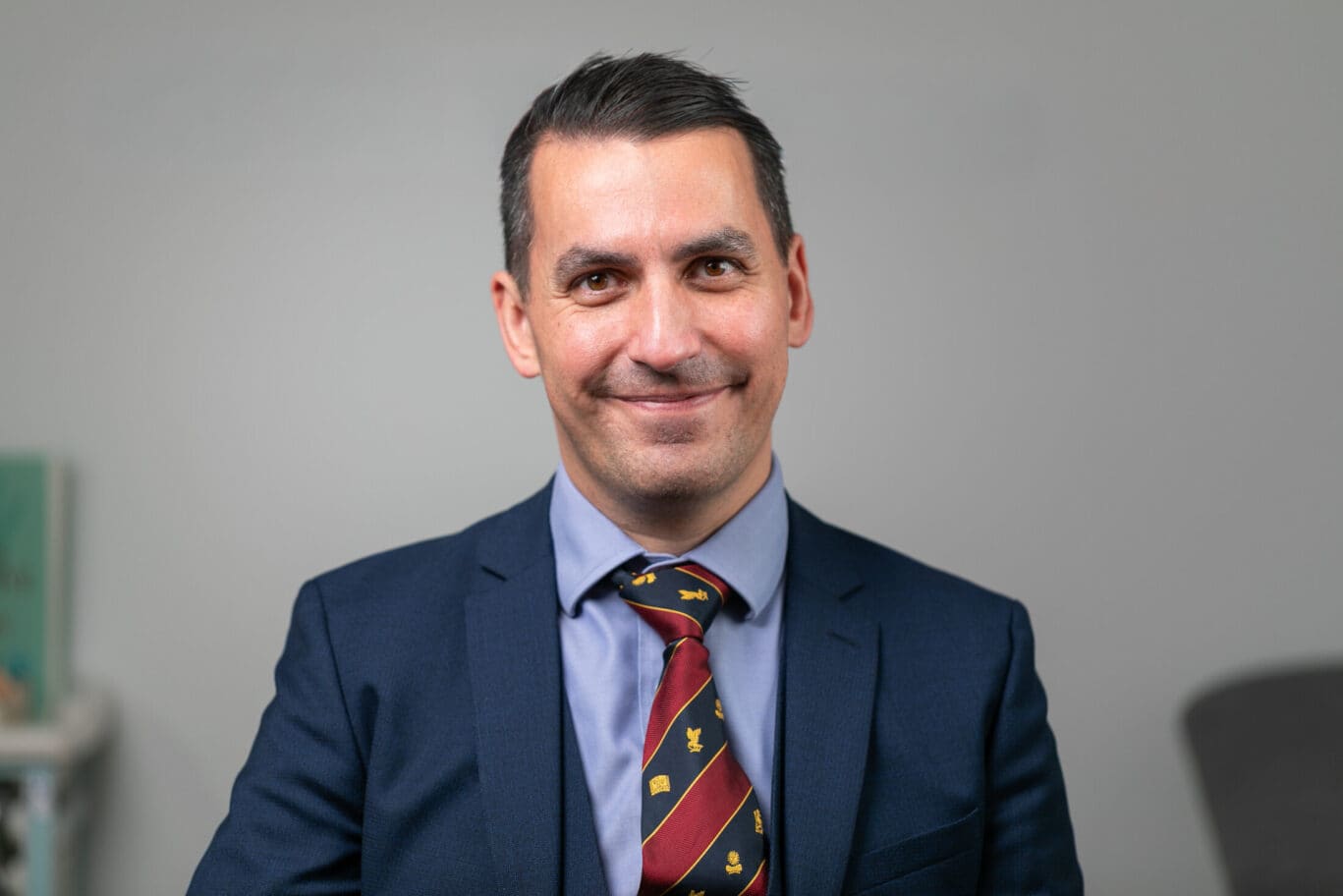
At The Antler Clinic, your care is led by Mr David Izadi, an experienced Consultant Plastic, Reconstructive, Aesthetic and Hand Surgeon known for combining advanced surgical expertise with a calm, honest, and patient-centred approach.

With more than 20 years of experience in plastic and reconstructive surgery, aesthetic surgery, and complex hand surgery, Mr Izadi has trained extensively through both national and international fellowships at internationally recognised centres of excellence. Every consultation begins by understanding your concerns, goals, and expectations, ensuring that treatment recommendations are tailored to your individual needs.

Mr Izadi is widely recognised as a leading specialist in hand surgery and is regularly invited to teach and lecture at national professional meetings as faculty. His expertise spans the treatment of hand and wrist conditions, reconstructive procedures, and advanced surgical techniques.

He holds the Diploma in Hand Surgery, the highest specialist qualification available in this field, reflecting his commitment to excellence and the highest standards of patient care.

Whether you are seeking treatment for a hand condition, reconstructive surgery, or aesthetic concerns, you can expect expert advice, clear communication, and personalised care throughout your journey at The Antler Clinic.

Frequently asked questions about surgery for hand lump and bump

A quick guide to the things most people want to know before and after their procedure.

What causes lumps and bumps on the hand? caret-down

Many hand lumps are benign cysts or soft-tissue growths arising from joints, tendon sheaths, or skin. Common examples include ganglions, myxoid cysts, lipomas and small benign tumours. Your consultation and any scans will help us to clarify the cause of your lump or bump and the best way to address it.

Do all hand lumps need surgery? caret-down

Not all hand lumps will need surgery. Some small, painless lumps can be safely monitored clinically and with imaging, such as MRI scan and ultrasound scans. Surgery is usually recommended if the lump is painful, growing, affecting movement, or at risk of damaging nearby structures. Before deciding on surgery, you will discuss all options with your surgeon.

Is hand lump removal painful? caret-down

Lump removal is performed under local anaesthetic, so you should not feel pain during surgery. Afterwards, most people describe mild to moderate soreness that improves over a few days with simple pain relief and hand elevation.

How long does it take to recover? caret-down

After having surgery for a lump or bump on your hand, you can usually move your fingers the same day and resume light daily tasks within 1- -2 weeks. It may take 4 – 6 weeks for full strength to return, especially if the lump was large or close to tendons or joints.

Can the lump come back after surgery? caret-down

There is a small chance of your lump returning, particularly with certain types of cyst such as ganglions or myxoid cysts. Removing the stalk or source of the cyst helps reduce this risk, and you’ll be advised on any warning signs to watch for.

Is it safe to leave a hand lump untreated? caret-down

Some benign lumps can be left alone and observed if they are stable and symptom-free. But if a lump is rapidly enlarging, painful, or affecting function, you should seek specialist assessment to rule out more serious causes and discuss appropriate treatment.

Is hand lump surgery safe?  caret-down

Hand surgery is considered safe when performed by an experienced surgeon. All procedures carry risks, and we’ll discuss these during your consultation. Your surgeon will send a comprehensive list of complications to you after your consultation


clear and transparent costs

Pricing and Finance

You will receive a clear quotation setting out the cost of your treatment and what is included before you decide whether to proceed.

Consultation Fees caret-down

A new consultation is charged at £200.

Follow-up consultations are charged at £150, unless the appointment forms part of an agreed surgical package or postoperative follow-up pathway.

Consultation fees are payable regardless of whether surgery is subsequently arranged. A consultation provides assessment, advice and discussion of treatment options; it does not guarantee that surgery will be recommended or offered.

Non-Attendance and Late Cancellation caret-down

Patients are kindly asked to provide at least three working days’ notice if they need to cancel or rearrange an appointment.

Non-attendance, or cancellation with less than three working days’ notice, will incur a fee of £125. This fee reflects the clinical time reserved for the appointment and the difficulty of offering the appointment to another patient at short notice.

Self-Pay Surgery Packages caret-down

For self-pay patients, surgery is usually provided as a fixed-price package. This is intended to give patients clarity and reassurance about the cost of their planned procedure.

Your written quotation will confirm what is included. In most cases, the package price includes:

  • Hospital fees for the planned procedure

  • Surgeon’s fee

  • Anaesthetist’s fee, where applicable

  • Standard postoperative follow-up appointments relating to the procedure

  • Routine aftercare directly related to the planned surgery, as specified in your quotation

Package prices are based on the procedure agreed at the time of booking. If the surgical plan changes, if additional procedures are requested, or if further treatment is required outside the agreed package, additional fees may apply.

Complication Cover caret-down

Self-pay surgical packages usually include a period of cover for the treatment of complications directly related to the procedure. The exact terms, duration and exclusions of this cover are set by the hospital where your surgery is performed.

Depending on the hospital, complication cover may apply for a defined period, which may be 6 or 12 months. Full details will be provided by the relevant hospital before surgery.

Complication cover is not a guarantee that all future treatment, revision surgery or additional procedures will be provided without charge. Cover may not apply to unrelated medical problems, pre-existing conditions, treatment required outside the hospital’s terms, or surgery requested for aesthetic preference rather than a recognised complication.

In an emergency, patients should seek urgent medical attention through the most appropriate service, including NHS emergency care where necessary.

Revision Surgery and Further Procedures caret-down

Every effort is made to achieve the best possible outcome, but no surgical procedure can guarantee a specific result, perfect symmetry, invisible scarring or complete satisfaction. Healing, scarring, swelling and final results vary between individuals.

If revision surgery is required because of a complication, eligibility for cover will depend on the hospital’s package terms and the clinical circumstances.

If surgery has been performed to an appropriate clinical standard, but a patient remains dissatisfied with the aesthetic outcome or wishes to pursue further refinement, any revision or additional surgery will usually incur further charges. These may include hospital fees, surgeon’s fees and anaesthetic fees.

Additional Costs and Exclusions caret-down

Unless specifically included in your written quotation, additional costs may apply for investigations, scans, specialist opinions, extra procedures, further hospital admissions, prescriptions, dressings, garments, travel, accommodation, time off work or treatment unrelated to the planned surgery.

The written quotation and the hospital’s own terms and conditions will take precedence over any general information provided on this website.

Payment Terms caret-down

Payment terms, deposits, cancellation policies and refund arrangements are determined by the hospital where your procedure is booked. These will be provided to you before surgery.

Surgery can only proceed once all required payments have been received and all relevant consent, preoperative assessment and hospital requirements have been completed.

Finance caret-down

To help make treatment more affordable, you may choose to spread the cost of your procedure through a personal medical loan with Chrysalis Finance. Subject to eligibility and approval, Chrysalis offers a range of flexible finance options, allowing you to pay for your treatment in manageable monthly instalments rather than a single upfront payment.

The hospitals we work with offer finance options through Chrysalis Finance. Please contact your chosen hospital directly for further information or to discuss any questions.


Private Medical Insurance caret-down

Mr Izadi is registered with the private medical insurers shown below. Coverage for consultations and treatment is subject to the terms of your policy and insurers approval.

White Bupa text with a heartbeat waveform line next to it on a grey background, reflecting the expertise of a specialist in plastic surgery.
Cigna healthcare logo with stylised grey text and a leaf-like design above the i, representing a trusted specialist in fields such as plastic surgery.
WPA logo in white letters on a dark rectangle, with the words Health Insurance written below in grey, highlighting cover options for specialist treatments such as plastic surgery.
The image shows the word Vitality written in a bold, cursive, black font on a light background, evoking the refined touch of a specialist in plastic surgery.
The image shows the word Healix in black text on a white background. The H has a stylised curved line looping through its left vertical stroke, evoking the precision and artistry found in plastic surgery specialist branding.
Police Mutual logo with the word Police in bold black letters above Mutual in light grey, both in a clean, sans-serif font on a white background—a design as precise and professional as a specialist in their field.
Aviva logo in black and white, featuring a stylised rectangular shape divided into dark and light sections above the word AVIVA in bold capital letters—capturing the precision and expertise you’d expect from a specialist in fields like plastic surgery.
AXA Health logo featuring the AXA name in white on a dark square, alongside the word

Get in Touch

Your next step starts with a conversation.

A consultation at The Antler Clinic is simply a chance to talk – to ask questions, explore your options, and decide what feels right for you.

You’ll leave with clarity, reassurance, and the same calm support that defines everything we do.

Close