Skip to content
Get in TouchGo

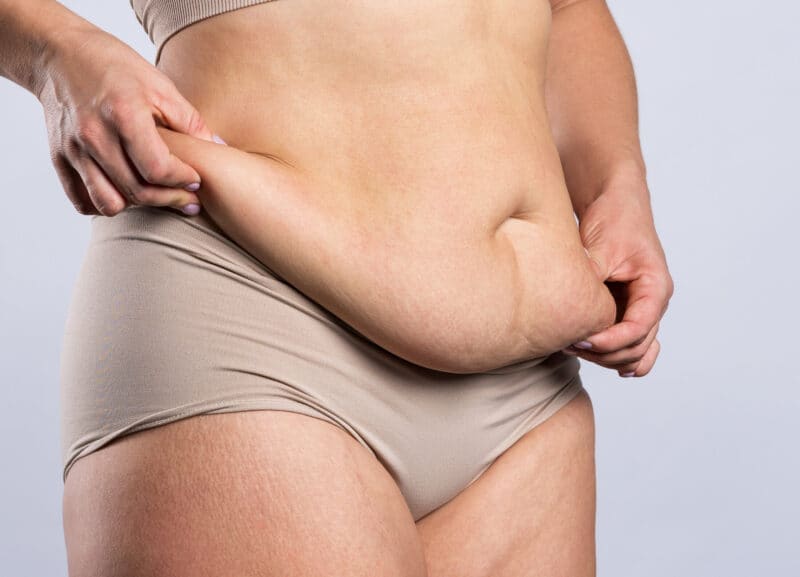
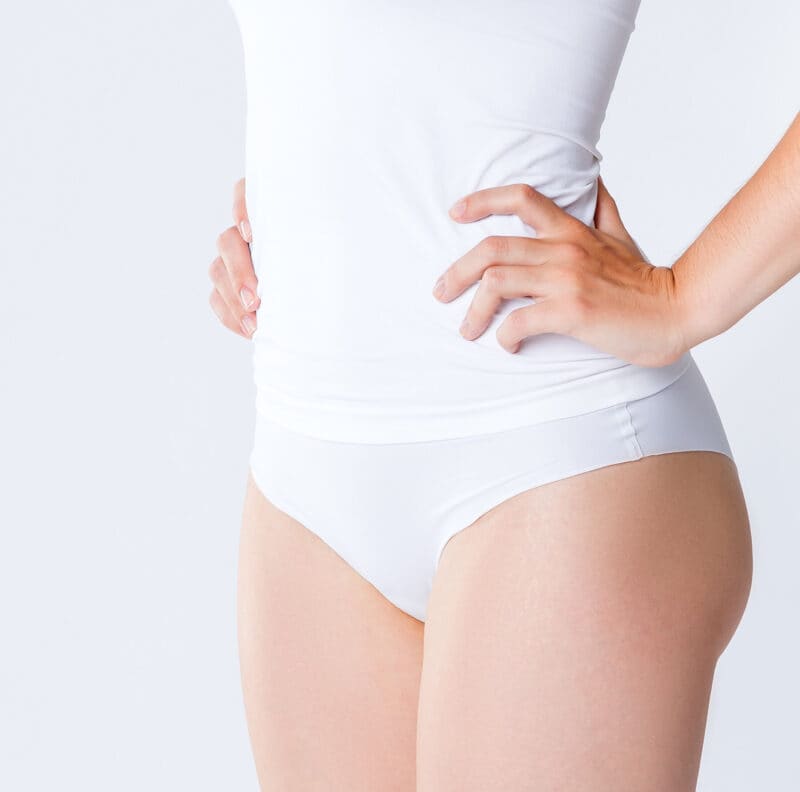
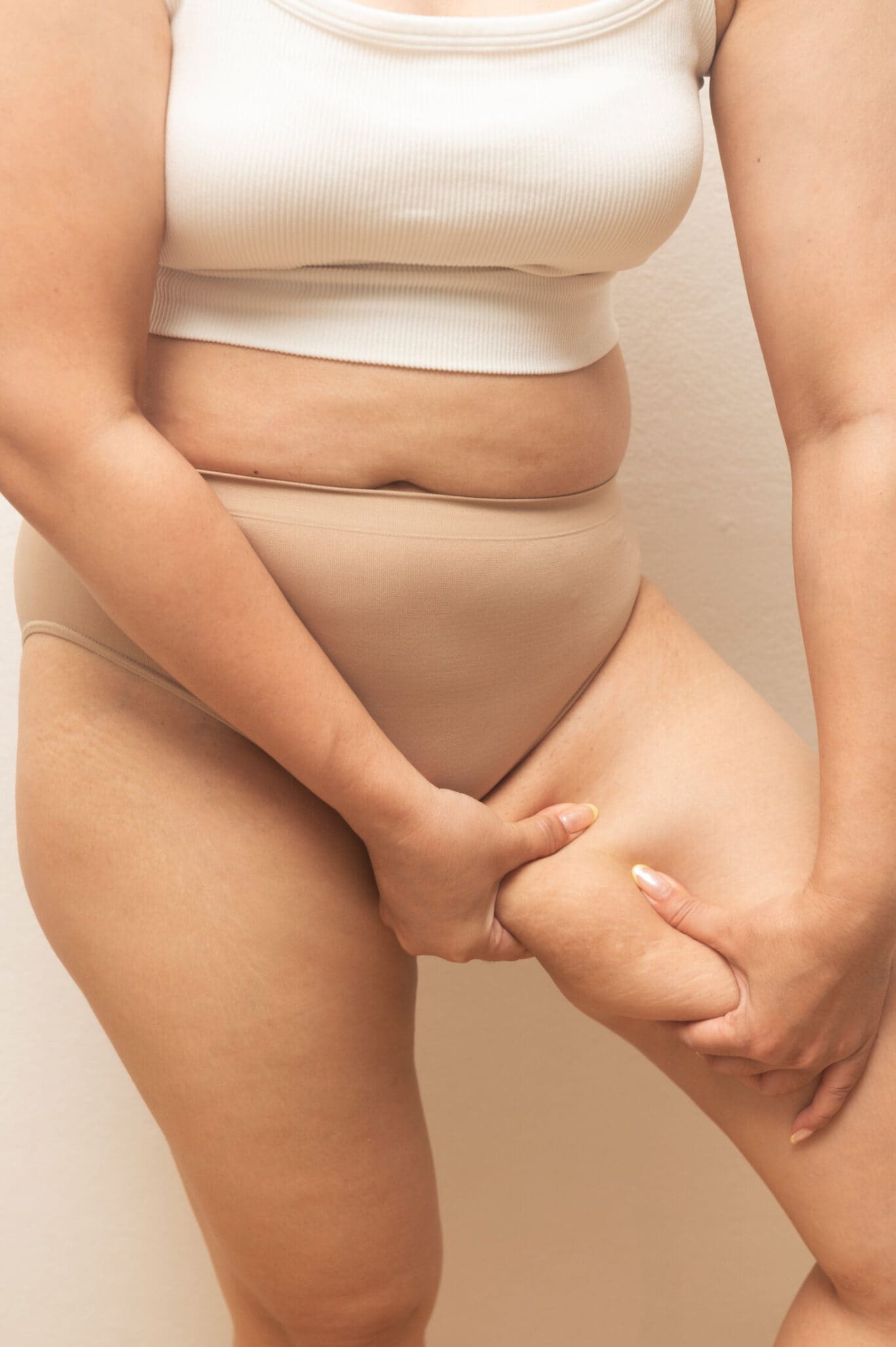
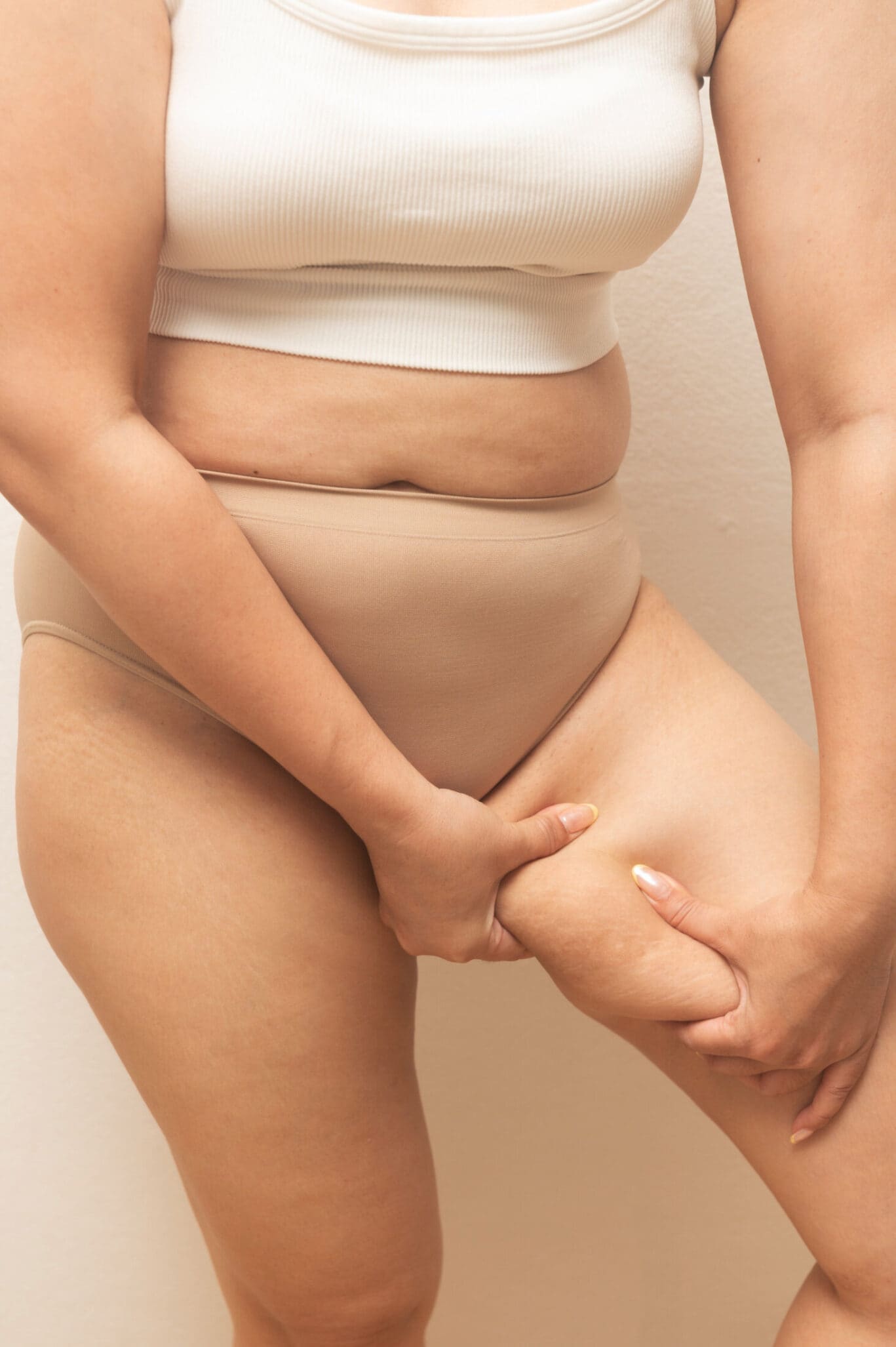
A thigh lift removes loose skin and excess fat from your upper inner thighs. It creates a smoother, firmer contour when your skin has stretched or sagged after weight loss, ageing or changes in skin elasticity.

The procedure focuses on both your comfort and appearance. You might choose it because your loose thigh skin rubs, feels heavy, or makes clothing difficult. Liposuction can be added when needed to refine your shape.

Key facts about Medial Thighplasty

Benefits of Medial Thighplasty

Lorem ipsum massa mauris caret-down

Lorem ipsum dolor sit amet consectetur. Hac condimentum eget tristique cras imperdiet ac ut molestie. Tempor auctor bibendum tellus ultricies praesent neque vitae. Vel risus malesuada nunc cras massa risus accumsan libero. Nec non aliquam odio tincidunt. Interdum augue pellentesque fermentum adipiscing adipiscing vitae metus a odio.

Est sed pulvinar facilisi elit quam pharetra iaculis. Amet amet enim massa eu ullamcorper quis. Egestas arcu aliquam et est non cras aliquam et at. Volutpat convallis tincidunt aliquam sagittis et viverra amet scelerisque volutpat. Velit dolor felis aliquet etiam purus posuere lectus. Euismod odio aliquam praesent porta sed vitae est. Quis lorem interdum neque a massa ligula. Id quis sollicitudin at nullam mollis aliquam elementum. Ut vel quis egestas vulputate nisl in praesent erat congue.

A smoother inner-thigh contour caret-down

Removing redundant skin gives you improved contour both of the inner thigh but also of the whole thigh as the skin is redraped around the thigh circumference upon closure.

Better comfort in your clothes caret-down

Reduced rubbing and heaviness make daily movement and clothing more comfortable.

Improved hygiene and skin health caret-down

Tightening the area helps reduce moisture, irritation or rashes in skin folds.

A more balanced lower-body shape caret-down

Thigh lift restores proportion, especially after significant weight loss.

Support for movement and confidence caret-down

Many people feel lighter and more at ease during walking, exercise and day-to-day life.

Who medial thighplasty may help

A thigh lift may help if you:

  • Have loose inner thigh skin after weight loss or ageing
  • Experience rubbing, irritation or hygiene problems
  • Feel self-conscious about the shape or movement of your thighs
  • Are at (or close to) a stable weight with a BMI below 30
  • Are in good general health and a non-smoker
  • Want firmer, smoother inner thighs

A thigh lift may not be the right choice if you:

  • Have conditions that affect wound healing
  • Can’t stop smoking or nicotine use for a minimum of 6 weeks before and after surgery
  • Are still losing weight
  • Prefer a solution with minimal scarring
  • Have unrealistic expectations about tightening or symmetry

You Journey

We support you through surgery and beyond

1

The consultation caret-down


Your consultation will be unhurried and supportive. We’ll discuss your goals, medical history and the areas that concern you. Your surgeon will examine your thighs, explain the types of thigh lift, and outline the expected scars and recovery. After your appointment, you’ll receive a detailed clinic letter with your personalised plan.

2

Pre-surgery preparation caret-down


To help you prepare safely:

  • You may need blood tests or an ECG
  • We’ll take measurements for your compression garment
  • You’ll need to stop HRT and oral contraceptives 6 weeks before surgery
  • GLP-1 weight-loss medications should be stopped 3 weeks before and 3 weeks after
  • GLP-1 medications for diabetes can continue as usual
  • GLP-1/GIP users will need a liquid-only diet for 24 hours before surgery
  • Stop aspirin/clopidogrel 7 days before (unless we advise otherwise)
  • Stop Factor Xa  (eg Riveroxiban, Apixaban, Edoxiban etc.) inhibitors 48 hours before (unless we advise otherwise)
  • Avoid smoking for at least 6 weeks before and after surgery
  • Avoid alcohol and NSAIDs in the week before surgery
  • Discuss herbal or traditional supplements at least 12 days before surgery

3

Day of surgery caret-down


You’ll meet your surgeon and anaesthetist to review the plan and confirm your consent. The procedure is carried out under general anaesthetic. Incisions are made along the groin crease and, when needed, down the inner thigh or towards the hip within the groin crease or under the buttock crease to leave you with well-concealed scars. Excess skin and fat are removed, and the remaining tissue is tightened. Liposuction may be used to refine the contour. Dissolvable stitches, dressings and a compression garment are applied before you go home.

4

Treatment and recovery caret-down


Swelling, bruising and tightness are normal in the first few days. Gentle walking is encouraged within 24 hours. Keep dressings dry until your first review. Wear your compression garment day and night for four weeks, then during the day for 2 – 4 weeks. Avoid stretching your legs widely, squatting or heavy exercise during early healing. Most people return to light activity after 2 weeks and full activity after 6 – 8 weeks.

Led by experience

At The Antler Clinic, you’ll be cared for by Consultant Plastic Surgeon Mr David Izadi, whose work combines advanced surgical expertise with the calm, honest approach patients value most.

With over two decades of experience in reconstructive, aesthetic, and hand surgery – including international fellowships in rhinoplasty and hand surgery, and a dedicated cosmetic surgery fellowship. 

Every plan begins with listening to what matters most to you.

Frequently asked questions about Medial Thighplasty A quick guide to the things most people want to know before and after their procedure.

Is a thigh lift worth it? caret-down

A thigh lift can be worthwhile if loose inner-thigh skin affects your comfort, confidence or movement. Most patients report improved contour, less rubbing and better comfort in their clothing.

How painful is a thigh lift? caret-down

You can expect tightness and mild to moderate discomfort in the first few days. Pain relief is provided, and most patients describe the discomfort as manageable.

How long does recovery take? caret-down

Most people return to light daily activities in 1 – 2 weeks, moderate activity by 4 – 6 weeks and your normal exercise after 6 – 8 weeks.

Will a thigh lift help with saggy inner thighs? caret-down

A medial thigh lift removes loose skin from your upper inner thigh and tightens the remaining tissue, giving you a smoother, firmer contour.

Where are the scars for a thigh lift? caret-down

Scars usually sit in the groin crease. Some patients need a vertical scar down the inner thigh, or a longer scar towards the hip if their skin is very loose. Sometimes a scar is extended posteriorly under the buttock crease. Each surgery is tailored to the patient

Does a thigh lift get rid of cellulite? caret-down

A thigh lift is not a cellulite treatment. Some people notice an improvement because the skin is tighter, but cellulite itself is not removed.

How long do I need to wear my compression garment? caret-down

Most patients will need to wear their garment through the day and night for 4 weeks, then during the day for another 2 – 4 weeks.

Will I need drains? caret-down

Sometimes we might need to put in a drain after your surgery. Drains help prevent fluid build-up and are usually removed within 24–72 hours.

When can I walk after thigh lift surgery? caret-down

We encourage you to get back to gentle walking within 24 hours to reduce the risk of blood clots.

Does thigh lift surgery leave scars? caret-down

All thigh lifts involve scarring. Your scars will fade over several months and they’ll sit in natural creases whenever possible.

Is thigh lift surgery safe? caret-down

Thigh lifts are safe when performed by a qualified surgeon, but all surgery carries risks. For a thigh lift, these include swelling, asymmetry, wound breakdown, delayed healing or fluid collection. Your surgeon will discuss the full set of risks with you in detail at your consultation.

clear and transparent costs

Pricing and Finance

You will receive a clear quotation setting out the cost of your treatment and what is included before you decide whether to proceed.

Consultation Fees caret-down

A new consultation is charged at £200.

Follow-up consultations are charged at £150, unless the appointment forms part of an agreed surgical package or postoperative follow-up pathway.

Consultation fees are payable regardless of whether surgery is subsequently arranged. A consultation provides assessment, advice and discussion of treatment options; it does not guarantee that surgery will be recommended or offered.

Non-Attendance and Late Cancellation caret-down

Patients are kindly asked to provide at least three working days’ notice if they need to cancel or rearrange an appointment.

Non-attendance, or cancellation with less than three working days’ notice, will incur a fee of £125. This fee reflects the clinical time reserved for the appointment and the difficulty of offering the appointment to another patient at short notice.

Self-Pay Surgery Packages caret-down

For self-pay patients, surgery is usually provided as a fixed-price package. This is intended to give patients clarity and reassurance about the cost of their planned procedure.

Your written quotation will confirm what is included. In most cases, the package price includes:

  • Hospital fees for the planned procedure

  • Surgeon’s fee

  • Anaesthetist’s fee, where applicable

  • Standard postoperative follow-up appointments relating to the procedure

  • Routine aftercare directly related to the planned surgery, as specified in your quotation

Package prices are based on the procedure agreed at the time of booking. If the surgical plan changes, if additional procedures are requested, or if further treatment is required outside the agreed package, additional fees may apply.

Complication Cover caret-down

Self-pay surgical packages usually include a period of cover for the treatment of complications directly related to the procedure. The exact terms, duration and exclusions of this cover are set by the hospital where your surgery is performed.

Depending on the hospital, complication cover may apply for a defined period, which may be 6 or 12 months. Full details will be provided by the relevant hospital before surgery.

Complication cover is not a guarantee that all future treatment, revision surgery or additional procedures will be provided without charge. Cover may not apply to unrelated medical problems, pre-existing conditions, treatment required outside the hospital’s terms, or surgery requested for aesthetic preference rather than a recognised complication.

In an emergency, patients should seek urgent medical attention through the most appropriate service, including NHS emergency care where necessary.
Revision Surgery and Further Procedures caret-down

Every effort is made to achieve the best possible outcome, but no surgical procedure can guarantee a specific result, perfect symmetry, invisible scarring or complete satisfaction. Healing, scarring, swelling and final results vary between individuals.

If revision surgery is required because of a complication, eligibility for cover will depend on the hospital’s package terms and the clinical circumstances.

If surgery has been performed to an appropriate clinical standard, but a patient remains dissatisfied with the aesthetic outcome or wishes to pursue further refinement, any revision or additional surgery will usually incur further charges. These may include hospital fees, surgeon’s fees and anaesthetic fees.

Additional Costs and Exclusions caret-down

Unless specifically included in your written quotation, additional costs may apply for investigations, scans, specialist opinions, extra procedures, further hospital admissions, prescriptions, dressings, garments, travel, accommodation, time off work or treatment unrelated to the planned surgery.

The written quotation and the hospital’s own terms and conditions will take precedence over any general information provided on this website.

Payment Terms caret-down

Payment terms, deposits, cancellation policies and refund arrangements are determined by the hospital where your procedure is booked. These will be provided to you before surgery.

Surgery can only proceed once all required payments have been received and all relevant consent, preoperative assessment and hospital requirements have been completed.

Finance caret-down

To help make treatment more affordable, you may choose to spread the cost of your procedure through a personal medical loan with Chrysalis Finance. Subject to eligibility and approval, Chrysalis offers a range of flexible finance options, allowing you to pay for your treatment in manageable monthly instalments rather than a single upfront payment.

The hospitals we work with offer finance options through Chrysalis Finance. Please contact your chosen hospital directly for further information or to discuss any questions.


Get in Touch

Your next step starts with a conversation.

A consultation at The Antler Clinic is simply a chance to talk – to ask questions, explore your options, and decide what feels right for you.

You’ll leave with clarity, reassurance, and the same calm support that defines everything we do.

Close