Skip to content
Get in TouchGo

Blepharoplasty (eyelid surgery) removes or tightens excess skin or fat from the upper and/or lower eyelids. It can lift heavy, hooded upper lids, soften under-eye bags, and, where drooping lids sit low over the lashes, improve your field of vision. 

Where there has been volume loss of the eyelids or orbit, the blepharoplasty surgery may be combined with transfer of fat (fat grafting) to give a more natural and rejuvenated look.

You might be thinking about it because your eyes look tired, or because heaviness above the lash line has started to affect how clearly you see. 

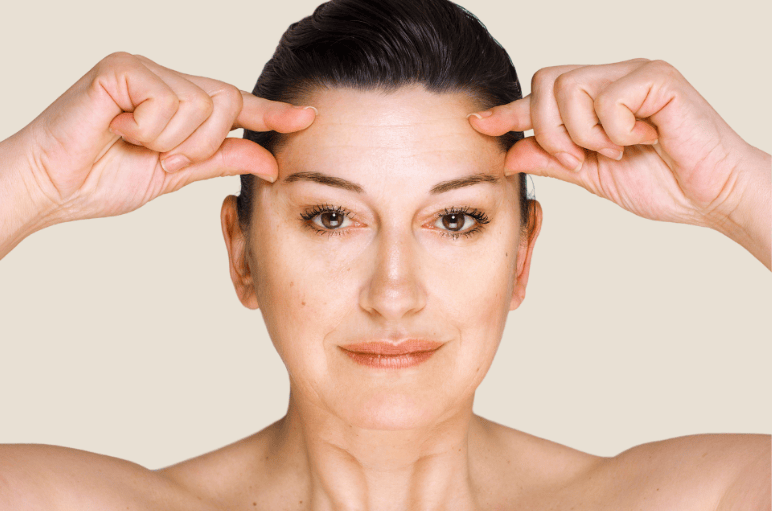
Where the brow itself has descended with age (a condition called brow ptosis), removing eyelid skin alone may not fully lift that heaviness. In these cases, Mr Izadi may recommend a brow lift at the same time, to give you a balanced, natural result.

Key facts about Blepharoplasty and Brow Lift Surgery

Benefits of Blepharoplasty

A fresher, more rested appearance caret-down

Removing or tightening excess eyelid skin opens up the eye area and softens the heavy, tired look that can make you seem worn out even when you feel well. The aim is a natural refresh, not a different face.


A clearer field of vision caret-down

When upper eyelid skin droops low over the lashes, it can narrow what you see, particularly when reading or driving. Removing that excess skin lifts the heaviness and can improve your line of sight.


Smoother, less puffy under-eyes caret-down

Lower eyelid surgery addresses eye bags, puffiness and loose skin beneath the eyes, for a rested look that better matches how you feel.


A balanced result when the brow has dropped caret-down

Where a low brow is adding to the heaviness, a direct brow lift repositions it to its natural level. Combined with upper eyelid surgery, it gives a more even result than treating the eyelid alone.


Discreet, well-placed scars caret-down

Upper eyelid incisions sit within the natural crease, direct brow lift incisions follow the line just above the eyebrow, gliding brow incisions are in the hair-bearing scalp, and lower eyelid incisions sit either along the lower border of the lash lines or on the inner border of the lower eyelid. These scars tend to settle and fade well over time.


Long-lasting, natural-looking results caret-down

Eyelid surgery and brow lift offer lasting rejuvenation of the face. Ageing continues naturally, but most people enjoy a more open, refreshed appearance for many years.


Who Blepharoplasty may help

Blepharoplasty surgery may help:

  • People with heavy, hooded or sagging upper eyelids
  • Those whose upper eyelid skin droops far enough to affect their vision
  • People bothered by under-eye bags, puffiness or loose lower-lid skin
  • Anyone who looks tired or stern when they feel neither
  • Patients whose eyelid heaviness is partly caused by a low brow, who may benefit from a combined brow lift
  • People wanting a natural refresh rather than a dramatic change

Blepharoplasty surgery might not be the right choice for:

  • People hoping to remove dark circles or fine lines, which are better managed in other ways
  • Those with certain eye conditions, such as dry eye, glaucoma or a thyroid-related eye problem, who will need careful assessment first
  • Anyone expecting scar-free surgery, as all eyelid and brow surgery leaves some scarring, usually well hidden
  • People with medical conditions that aren’t yet stable or reviewed
  • Anyone looking to stop ageing altogether, rather than achieve a long-lasting improvement
  • Active smokers
  • Patients on blood thinners will need careful assessment and may not be suitable for surgery
  • Anyone with existing malposition of the eyelid (eg ptosis)


Your Journey

We support you through surgery and beyond

1

You consultation caret-down


Your consultation focuses on what’s troubling you about your eyes, whether that’s heaviness, a tired look, under-eye bags, or a sense that your vision is affected. Mr Izadi will examine your eyelids and brow position to work out whether your concern comes mainly from excess eyelid skin, a low brow, or both. He’ll explain which approach suits you, what your scars will look like, and what’s realistic, so you can decide in your own time.


2

Pre-surgery preparation caret-down


To prepare safely:

  • Maintain good general health and stable blood sugar if you have diabetes
  • Stop smoking and nicotine for at least 6 weeks before and after surgery
  • Stop aspirin, clopidogrel and NSAIDs (ibuprofen, naproxen, diclofenac) 7 days before (unless advised otherwise)
  • Stop Factor Xa inhibitors  (eg Riveroxiban, Apixaban, Edoxiban etc.), 48 hours before (unless advised otherwise)
  • Arrange for someone to drive you home and stay with you for the first day, particularly if you’re having sedation or a general anaesthetic
  • Plan a few quiet days at home with time to rest with your head raised

3

Day of surgery caret-down


Upper eyelid surgery and brow lift are usually carried out under local anaesthetic as a day case, taking around 45 minutes per eyelid. Lower lid or combined procedures will need general anaesthetic, or local anaesthetic with sedation, and take longer. Fine incisions are placed in the natural eyelid crease, just under the eye, in the hair-bearing scalp or just above the brow, so scars stay discreet. You’ll go home the same day with light dressings and clear aftercare instructions.


4

Treatment and recovery caret-down


Expect mild swelling and bruising for the first week or two, which you can ease with cold compresses and by keeping your head raised when resting. Stitches are usually removed or dissolve within 5 to 7 days. Most people feel ready to return to work within 7 to 10 days, and can wear make-up and contact lenses again after about 10 to 14 days. Avoid strenuous activity and bending forward for the first couple of weeks. Your final result settles over the following months as swelling fades and scars soften.


Led by experience

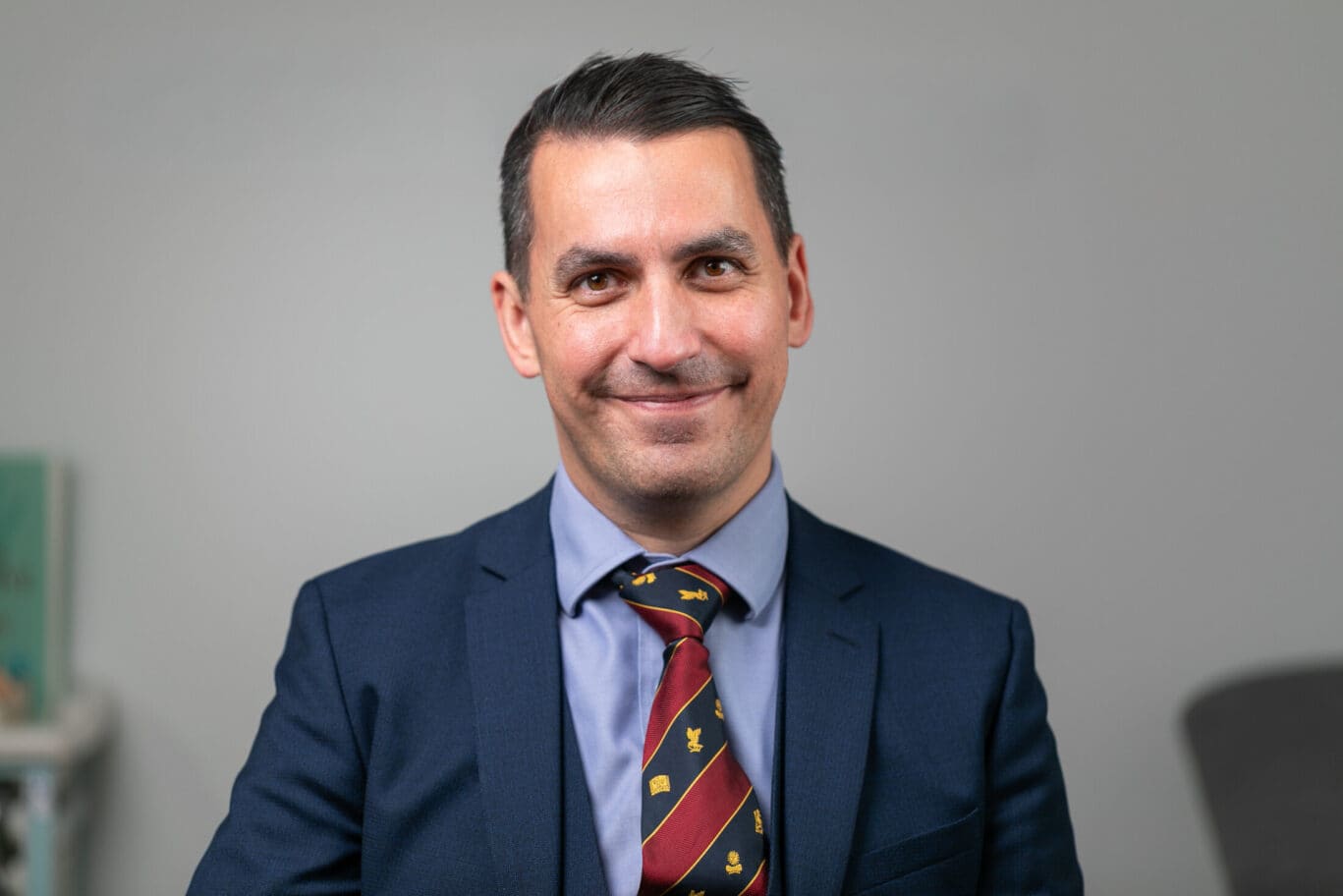
At The Antler Clinic, you’ll be cared for by Consultant Plastic Surgeon Mr David Izadi, whose work combines advanced surgical expertise with the calm, honest approach patients value most. With over two decades of experience across reconstructive, aesthetic and facial surgery, including international fellowships in rhinoplasty and a dedicated cosmetic surgery fellowship, he brings a careful eye to the delicate balance of the eyes and brow. 

As organiser of Face, Eyes, Nose, regarded as the UK’s leading facial aesthetics meeting, he has real depth of knowledge in surgery around the eyes.

Every plan begins with listening to what matters most to you.


Frequently Asked Questions about rhinoplasty

A quick guide to the things most people want to know before and after their procedure.

How long does blepharoplasty last? caret-down

Eyelid surgery offers long-lasting results, and most people enjoy a more open, refreshed appearance for many years. Your eyes still age naturally over time, but the improvement stays visible long-term, especially with good skin care and sun protection.


Is eyelid surgery painful? caret-down

Most people feel little more than mild tightness or tenderness in the first few days. Upper eyelid surgery and direct brow lift are usually done under local anaesthetic, so the area is numb during the procedure, and any soreness afterwards is normally well managed with simple pain relief.


Will blepharoplasty get rid of my dark circles? caret-down

Eyelid surgery is very effective for heavy upper lids, under-eye bags and loose skin, but it isn’t designed to remove dark circles or fine lines. At your consultation, Mr Izadi will tell you honestly what surgery can and can’t improve, and point you towards other options where they’d suit you better.


How long does it take to recover from eyelid surgery? caret-down

Swelling and bruising usually settle within one to two weeks, and most people return to work within 2 weeks of surgery. You can wear make-up and contact lenses again after the wounds have fully healed. The final result settles over the following months.


Will I have visible scars? caret-down

Scars are placed where they’re easy to hide: in the natural crease of the upper eyelid, just below the lash line or the inside of the eyelid for lower lids, along the line above the eyebrow for a direct brow lift or in the hair-bearing scalp for the gliding brow lifts. They tend to fade well and are usually difficult to spot once healed.


Can eyelid surgery improve my vision? caret-down

In some cases, yes. When excess upper eyelid skin hangs low enough to block part of your sight, removing it can widen your field of vision as well as lifting the heaviness. Mr Izadi will assess whether your vision is genuinely affected during your consultation.


Do I need a brow lift as well as eyelid surgery? caret-down

Not always. It depends on whether your eyelid heaviness comes mainly from excess eyelid skin, a low brow, or both. If a dropped brow is part of the picture, combining a brow lift with upper eyelid surgery gives a more balanced result than treating the eyelid on its own. Mr Izadi will talk you through what’s right for you.


What’s the difference between upper and lower eyelid surgery? caret-down

Upper eyelid surgery removes excess skin, and sometimes muscle or fat, from above the eye to reduce heaviness and hooding. Lower eyelid surgery focuses on eye bags, puffiness and loose skin beneath the eye. Some people benefit from one, others from both, depending on their concerns.


Should Botox be avoided after upper eyelid surgery? caret-down

Not always, but it should be used with caution.

Upper eyelid surgery removes excess eyelid skin, while Botox in the forehead relaxes the frontalis muscle that lifts the eyebrows. If the forehead muscles are weakened, the eyebrows may sit lower, allowing more forehead skin to fall over the upper eyelids. This can reduce the improvement achieved with eyelid surgery and recreate a heavy appearance.

For this reason, Botox treatment should be tailored after upper blepharoplasty. In some patients, avoiding or reducing Botox in the forehead helps preserve the best long-term surgical result.


What is the role of fat grafting in eyelid rejuvenation? caret-down

Fat grafting restores volume that is lost with ageing, helping to create a softer, more youthful appearance around the eyes.

Rather than simply removing excess skin or under-eye bags, carefully placed fat can fill hollow upper eyelids, improve tear troughs and smooth the transition between the lower eyelid and cheek. This restores natural contours and can enhance the results of eyelid surgery.

As your own fat is used, the result looks and feels natural. Although some of the transferred fat is reabsorbed, the remaining fat provides a long-lasting improvement in facial volume.


clear and transparent costs

Pricing and Finance

You will receive a clear quotation setting out the cost of your treatment and what is included before you decide whether to proceed.

Consultation Fees caret-down

A new consultation is charged at £200.

Follow-up consultations are charged at £150, unless the appointment forms part of an agreed surgical package or postoperative follow-up pathway.

Consultation fees are payable regardless of whether surgery is subsequently arranged. A consultation provides assessment, advice and discussion of treatment options; it does not guarantee that surgery will be recommended or offered.

Non-Attendance and Late Cancellation caret-down

Patients are kindly asked to provide at least three working days’ notice if they need to cancel or rearrange an appointment.

Non-attendance, or cancellation with less than three working days’ notice, will incur a fee of £125. This fee reflects the clinical time reserved for the appointment and the difficulty of offering the appointment to another patient at short notice.

Self-Pay Surgery Packages caret-down

For self-pay patients, surgery is usually provided as a fixed-price package. This is intended to give patients clarity and reassurance about the cost of their planned procedure.

Your written quotation will confirm what is included. In most cases, the package price includes:

  • Hospital fees for the planned procedure

  • Surgeon’s fee

  • Anaesthetist’s fee, where applicable

  • Standard postoperative follow-up appointments relating to the procedure

  • Routine aftercare directly related to the planned surgery, as specified in your quotation

Package prices are based on the procedure agreed at the time of booking. If the surgical plan changes, if additional procedures are requested, or if further treatment is required outside the agreed package, additional fees may apply.

Complication Cover caret-down

Self-pay surgical packages usually include a period of cover for the treatment of complications directly related to the procedure. The exact terms, duration and exclusions of this cover are set by the hospital where your surgery is performed.

Depending on the hospital, complication cover may apply for a defined period, which may be 6 or 12 months. Full details will be provided by the relevant hospital before surgery.

Complication cover is not a guarantee that all future treatment, revision surgery or additional procedures will be provided without charge. Cover may not apply to unrelated medical problems, pre-existing conditions, treatment required outside the hospital’s terms, or surgery requested for aesthetic preference rather than a recognised complication.

In an emergency, patients should seek urgent medical attention through the most appropriate service, including NHS emergency care where necessary.

Revision Surgery and Further Procedures caret-down

Every effort is made to achieve the best possible outcome, but no surgical procedure can guarantee a specific result, perfect symmetry, invisible scarring or complete satisfaction. Healing, scarring, swelling and final results vary between individuals.

If revision surgery is required because of a complication, eligibility for cover will depend on the hospital’s package terms and the clinical circumstances.

If surgery has been performed to an appropriate clinical standard, but a patient remains dissatisfied with the aesthetic outcome or wishes to pursue further refinement, any revision or additional surgery will usually incur further charges. These may include hospital fees, surgeon’s fees and anaesthetic fees.

Additional Costs and Exclusions caret-down

Unless specifically included in your written quotation, additional costs may apply for investigations, scans, specialist opinions, extra procedures, further hospital admissions, prescriptions, dressings, garments, travel, accommodation, time off work or treatment unrelated to the planned surgery.

The written quotation and the hospital’s own terms and conditions will take precedence over any general information provided on this website.

Payment Terms caret-down

Payment terms, deposits, cancellation policies and refund arrangements are determined by the hospital where your procedure is booked. These will be provided to you before surgery.

Surgery can only proceed once all required payments have been received and all relevant consent, preoperative assessment and hospital requirements have been completed.

Finance caret-down

To help make treatment more affordable, you may choose to spread the cost of your procedure through a personal medical loan with Chrysalis Finance. Subject to eligibility and approval, Chrysalis offers a range of flexible finance options, allowing you to pay for your treatment in manageable monthly instalments rather than a single upfront payment.

The hospitals we work with offer finance options through Chrysalis Finance. Please contact your chosen hospital directly for further information or to discuss any questions.


Get in Touch

Your next step starts with a conversation.

A consultation at The Antler Clinic is simply a chance to talk – to ask questions, explore your options, and decide what feels right for you.

You’ll leave with clarity, reassurance, and the same calm support that defines everything we do.

Close